Understanding Waste Management: Core Concepts
Definition and Scope of Waste Management
Waste management is not merely emptying bins; it’s a discipline that reshapes how a city breathes. “Waste is a resource in the wrong room,” a refrain I carry into every South African project. So, what is waste management like when communities choose recycling, composting, and responsible disposal over passivity? It becomes a choreography of collection, sorting, and mindful reduction—linking homes, businesses, and policy!
Understanding implies definitions and scope: waste management encompasses prevention, minimization, reuse, recycling, energy recovery, and safe final disposal. It spans municipal systems, industrial streams, and domestic habits, all bounded by law, standards, and local context.
Key components include:
- Collection and transport
- Sorting and processing
- Recovery: recycling, composting, energy
- Safe disposal and regulation
Key Stakeholders in Waste Management
“Waste is a resource in the wrong room,” I whisper as I walk South Africa’s neighbourhoods where bins become conversations. So, what is waste management like when communities choose recycling, composting, and responsible disposal over passivity? It’s a choreography of habits and policy turning the curb into a stage for change.
Core concepts live in the people who shape it: households, waste workers, municipalities, and responsible businesses.
- Households and communities
- Waste workers and informal collectors
- Municipalities and regulators
- Businesses and industries
From curb to council, the flow is a shared ritual—collection routes, sorting desks, and the rebirth of waste into resources.
South African towns breathe differently when waste becomes wealth, when policy meets people in a dance of reclamation.
Waste Hierarchy and Principles
Waste is the most stubborn roommate in our cities, and what is waste management like? It’s a choreography of choices—preventing what we throw away, reusing what we can, recycling what remains, and only then extracting value before a landfill wins.
At the core sits the Waste Hierarchy: prevent and reduce at source, then reuse, then recycle and compost, with energy recovery as a last resort. It’s not abstract theory; it’s daily discipline turning curbside whispers into measurable outcomes.
- Reduce consumption and waste generation
- Reuse items and repair where possible
- Recycle materials into new products
- Recover energy from residual waste
South African communities watch this rhythm translate into policy and practice, turning the curb into a resource stream rather than a dumping ground—and perhaps, someday, into a source of local wealth.
Types of Waste and Coverage
In South Africa, what is waste management like reveals a living system rather than a burden. “Waste is a resource waiting to be found,” a city analyst once told me, and those words shape how we trace streams from doorstep to reuse.
At its core, understanding waste management means grasping core concepts and the types of waste that cross our borders:
- Municipal solid waste
- Hazardous waste
- Electronic waste
- Construction and demolition waste
- Organic waste
The coverage spans households, businesses, and government, mapping responsibilities from local waste services to national policy, ensuring transparency and resilience in a system that must adapt to shifting volumes and values.
Waste Management in Practice Across Industries
Residential Waste Management Practices
Commercial and Industrial Sector Waste
Global waste is set to double by 2050, and South Africa’s commercial and industrial sectors feel the pressure. Businesses still ask: “what is waste management like” in practice, and the answer leans toward regulation, transparency, and measurable outcomes that go beyond empty bins.
Across industries, key approaches emerge:
- Segregation at source and controlled waste streams
- On-site recovery, energy capture, and recycling partnerships
- Data-driven tracking for compliance and cost control
- Regular audits to meet South Africa’s environmental standards
Manufacturers push for on-site consolidation and compliant hazardous waste handling, while retail and logistics focus on packaging reduction and end-to-end tracking. Construction and mining demand robust debris and tailings oversight, driven by South Africa’s environmental standards and the growing push toward a circular economy pilot projects.
Healthcare and Pharmaceutical Waste
I circumnavigate a hospital ward where sterile corridors glow like constellations. In healthcare and pharmaceutical waste, the question lingers: what is waste management like, when every item carries life and risk? I watch teams choreograph containment, labeling, and secure transport, turning chaos into order and protecting patients, staff, and the environment with laser precision.
- Segregation at source by hazard class to keep infectious and pharmaceutical waste separate
- On-site neutralization, temporary containment, and rapid transfer to licensed facilities
- Partnering with compliant recyclers and energy-recovery programs to close the loop
Across South Africa facilities, data trails become the compass—records, audits, and traceability that prove adherence to standards and safeguard communities. Regular reviews and transparent reporting translate into safer processes and responsible stewardship for future generations.
Construction and Demolition Waste
On a sunlit South African construction site, I watch the dust become a ledger of choices. For what is waste management like, you ask? It is a disciplined choreography where cranes cradle bundles of rubble while teams separate concrete, metal, and timber at their source. Across industries, C&D waste becomes the testbed for innovation—salvageable components, recycled aggregates, and responsible disposal. The aim is not fear but forward momentum: to reduce footprint, to reuse, to transform debris into a building block rather than a burden. This work matters!
Key practices on site include:
- On-site sorting to separate concrete, timber, metals, and plastics
- Crushing and recycling of concrete and asphalt into usable aggregate
- Salvage of reusable components and partnerships with licensed facilities
In South Africa, the circular economy breathes into every contract, rewarding salvage and recycled aggregates that return to roads and foundations.
Food Industry and Organic Waste Solutions
Global food waste roams the supply chain like a stubborn ghost—nearly 40% of what is produced never reaches a plate. In practice, what is waste management like across the food industry? It looks like a careful choreography: teams separate organics from packaging at the source, and kitchens divert trimmings into dedicated bins while facilities map waste streams for better reuse. Organic waste becomes soil or energy when treated well, and in South Africa, organic waste solutions are expanding into anaerobic digestion and composting to power green initiatives and enrich soils.
- On-site sorting of organics and packaging streams
- Anaerobic digestion and composting to convert waste into energy or soil amendments
- Partnerships with licensed facilities to process organics and recover value
Across SA’s kitchens, producers, and hospitality venues, organic waste solutions turn scraps into soil feeds and biogas, weaving collaborations with licensed partners to close loops and power sustainable industries.
Technologies and Methods Driving Modern Waste Management
Sorting, Recycling, and Material Recovery Facilities (MRFs)
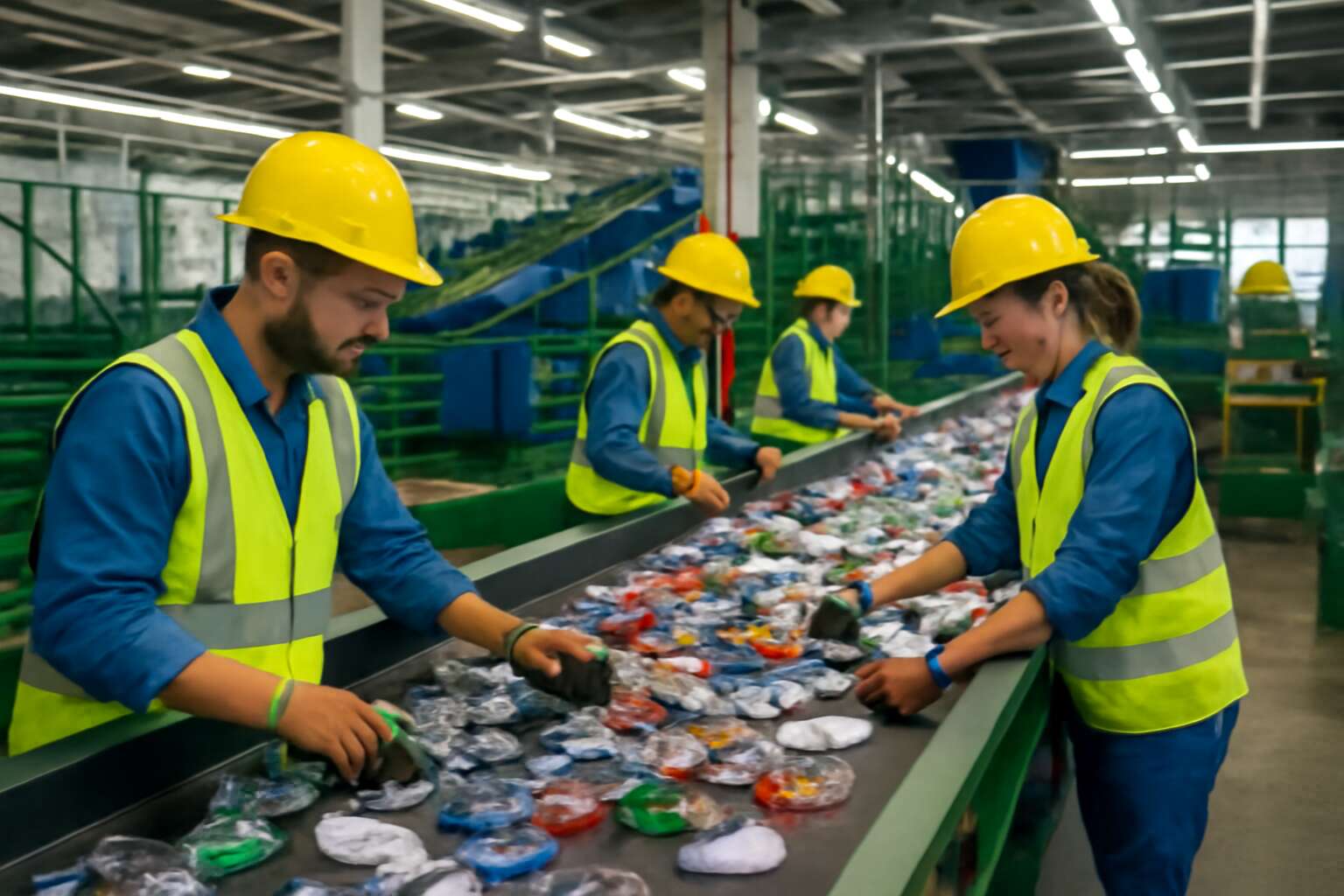
Across South Africa, the waste we discard holds hidden value—if sorted and processed with precision, it becomes feedstock or fuel. So what is waste management like—it’s a brisk, almost supernatural orchestration of conveyors, sensors, and data turning refuse into resources. I’ve seen the change up close!
Modern sorting and MRFs run on a few core technologies that separate, recover, and recycle with uncanny accuracy. The core trio includes optical sorters, magnetic separators, and eddy current devices, each skimming material streams for plastics, metals, and glass. Add AI-driven controls and real-time analytics to optimize throughput; the line becomes a living system.
- NIR optical sorters
- Magnetic separators
- Eddy current separators
- AI-driven process controls
These methods reduce contamination and boost material quality, powering circular economies across SA.
Waste-to-Energy and Anaerobic Digestion
Light from the city runs on discarded matter; the future runs on waste turned to power. Across South Africa, Waste-to-Energy plants and anaerobic digestion stand as quiet alchemists of modern waste management, turning non-recyclables into heat and electricity, and organics into biogas and nutrient-rich digestate. These systems weave energy from streams of refuse, guided by sensors, control rooms, and unwavering precision.
So what is waste management like when Waste-to-Energy and anaerobic digestion dance with data and the line hums in real time?
- Waste-to-Energy converts non-recyclable waste into electricity and heat
- Anaerobic digestion ferments organics into biogas and a usable digestate
In South Africa, these methods complement recycling, shaving landfill pressures and powering communities while curbing emissions.
Chemical and Biological Treatments
what is waste management like when clever chemistry and patient biology choreograph the night shift in South Africa? “Waste is wealth when we train our eyes to see it,” a plant supervisor insists, and the hum of sensors and glow of control rooms answer!
Technologies driving modern waste management lean on two partners: chemical and biological treatments that pry value from discard. Chemical routes dismantle stubborn polymers through oxidation, catalytic depolymerization, and solvent-based recycling—turning intractables into feedstocks and clean streams for reuse.
- Catalytic depolymerization and chemical recycling recover monomers from plastics
- Advanced oxidation processes breathing life into stubborn organics
Biological approaches quietly rewrite outcomes: enzymatic hydrolysis that unravels polymers, microbial consortia that convert organics to fuels, and aerated composting that returns nutrients to soil. In real time, data, sensors, and feedback loops choreograph these transitions across South Africa.
Data, Sensors, and Digital Tracking
Pilot programs across South Africa report up to 30% faster decision-making thanks to real-time dashboards; what is waste management like when sensors listen, pipes hum, and every bin tells a story?
- IoT sensors track fill levels, temperature, and moisture in near real-time
- RFID and barcode tagging enable end-to-end waste traceability
- AI-driven analytics optimize routes, staffing, and processing streams
- Digital twins simulate waste flows and treatment outcomes for planning
Technologies and methods powering this shift span sensors, data platforms, and traceability tools.
In South Africa’s evolving landscape, these systems translate data into trust, nudging operators toward cleaner streams, higher recovery, and transparent reporting for communities.
Global Trends, Regulations, and Best Practices
Regulatory Frameworks and Compliance
Global trends are reshaping waste management worldwide. Circular economy principles push producers to design for reuse, and data-driven platforms track materials in real time. In many regions, waste-to-energy and anaerobic digestion complement recycling efforts, while digital tracking improves accountability.
Regulatory frameworks in South Africa set the tempo. The Waste Act and National Waste Management Strategy guide licensing, reporting, and performance. Compliance hinges on clear responsibilities for municipalities, industries, and waste producers.
- Licensing and permits
- Mandatory reporting and data sharing
- Audits and enforcement
Best practices and compliance focus on integration and transparency. So what is waste management like today in this landscape? It relies on shared data, clear KPIs, and continuous improvement.
Circular Economy and Policy Impacts
Global waste flows crest at 2.1 billion tonnes each year, reshaping cities and industries. In South Africa and beyond, municipalities glimpse a future where waste becomes resource—designed reuse and data-driven insight lead the way. So, what is waste management like in this evolving landscape? It leans on circular thinking, shared data, and a willingness to turn streams into materials, energy, and value rather than refuse.
In South Africa, policy momentum is carved into law and strategy, guiding how waste is licensed, reported, and measured. It nudges municipalities, industries, and producers toward common accountability and a value-driven mindset.
- Clear responsibilities
- Transparent reporting
- Robust enforcement
Best practices flow from integration: align data with KPIs, foster cross-sector collaboration, and pursue continuous improvement within a decarbonized circular economy. Policy impacts ripple across local economies, spurring extended producer responsibility, municipal partnerships, and investment in sorting, reuse, and recovery infrastructure, while keeping governance human and accountable.
Public-Private Partnerships
Global waste flows crest at 2.1 billion tonnes each year, reshaping cities and industries. what is waste management like when data maps streams and turns them into resources rather than refuse? In South Africa and beyond, municipalities glimpse a future where waste becomes resource—designed reuse and data-driven insight lead the way. It leans on circular thinking and a willingness to transform streams into materials, energy, and value.
Regulations anchor the pace of change. South Africa’s policy architecture nudges licensing, reporting, and measurement toward shared accountability and a value-driven mindset. Clear accountability, open dashboards, and enforceable standards create a predictable stage for cities and industries to choreograph waste flows.
Best practices emerge from Public-Private Partnerships that fuse municipal resolve with private capital and technical prowess. Cross-sector collaboration, interoperable data streams, and shared risk foster faster sorting, reuse, and recovery, moving the needle toward a decarbonized circular economy.
Sustainability Reporting and KPIs
Global waste flows crest at 2.1 billion tonnes each year, bending cities to disposal. So, what is waste management like when data maps streams and turns them into resources? In South Africa and beyond, waste becomes opportunity, guided by reuse and data-driven insight.
Regulations anchor the cadence of change. South Africa’s policy nudges licensing, reporting, and measurement toward shared accountability and value-driven mindsets. Clear dashboards and enforceable standards provide a stage for turning streams into materials and energy. Sustainability Reporting and KPIs illuminate progress.
Best practices crystallize in Public-Private Partnerships that fuse municipal resolve with private capital. Cross-sector collaboration and interoperable data push sorting, reuse, and recovery toward decarbonized circularity.
- Diversion and material recovery rates
- Real-time dashboards for compliance
- Cross-sector risk sharing in PPPs

0 Comments