Environmental impact and why it matters in e-waste management
Environmental consequences of improper e-waste disposal
Across South Africa, one in three electronic devices becomes obsolete within two years, and far too many end up in informal dumps. The quiet cost is a poison that travels through soil, rivers, and the people who rely on them.
When e-waste is mishandled, toxic metals—lead, cadmium, mercury—leach into groundwater and disrupt ecosystems. Plastics burn, releasing dioxins and other persistent pollutants into the air. These environmental consequences reverberate through communities and ecosystems, a humbling reminder of our interdependence. This is why e waste management is important.
- Soil and groundwater contamination from heavy metals
- Air pollution from burning cables and plastics
- Threats to biodiversity and water quality in urban catchments
We stand at a moral crossroads where accountability isn’t optional but essential for our shared future!
Health risks associated with e-waste exposure
Every discarded gadget is a fingerprint left on land and lungs! In South Africa, improper e-waste handling tilts the balance of soil and streams, where heavy metals migrate after rain. When cables burn, air thickens with toxins; when devices rest in informal dumps, rainwater carries trouble into urban catchments. This is why e waste management is important. Our choices about how we collect, sort, and treat old tech determine whether communities breathe easier or endure unseen hazards.
- Lead exposure linked to cognitive and behavioral issues in children.
- Cadmium contamination harms kidney function and bone health.
- Mercury exposure threatens neurodevelopment and cardiovascular health.
- Persistent toxicants from plastics and flame retardants pose endocrine risks.
Health impacts ripple through communities, shaping medical costs and social strain across urban South Africa. A careful approach to how devices live and die helps protect soil, air, and water for future generations.
Global resource depletion and pollution from e-waste
Every year, millions of tonnes of e-waste are discarded, and a growing share ends up in informal dumps that leach heavy metals into soil and water in South Africa. This isn’t just waste; it’s a telltale sign of resource strain and collapsing ecosystems. This reality is why e waste management is important.
The environmental toll spans several fronts:
- Resource depletion from mining essential metals
- Soil and water contamination from leached toxins
- Air pollution from burning plastics and cables
- Loss of biodiversity and habitat disruption
When these cycles break, landscapes recover and urban streams stay clearer—shaping a cleaner future for South Africa.
Regulatory and policy framework for e-waste
Extended Producer Responsibility and recycling mandates
Global e-waste surpassed 50 million metric tons last year, a tidal surge that demands civic courage and smart policy. In South Africa, regulatory frameworks are tightening around Extended Producer Responsibility and recycling mandates, nudging brands toward accountability and communities toward safer, cleaner waste streams. This is why e waste management is important.
These ambitions rest on three practical pillars:
- Take-back obligations that put responsibility where it belongs
- Financing, reporting, and traceability to prevent leakage
- Targeted recycling mandates that recover metals and plastics safely
Together they shape a framework where business, government, and citizens cooperate to protect both people and the planet, turning obligation into opportunity.
From policy to practice, companies in SA can turn compliance into competitive advantage, securing supply chains and public trust.
International treaties and cross-border waste movement
The clock is ticking as global e-waste climbs beyond 50 million metric tons annually, a surge that outpaces many national budgets and demands policy with teeth. In this climate, the question of why e waste management is important becomes urgent for industries, communities, and regulators alike.
International treaties set guardrails against reckless disposal and unregulated cross-border movement. The Basel Convention governs hazardous waste shipments, demanding traceability and responsible end-use. Paired with regional accords, these instruments push for safer handling, responsible recycling, and transparent reporting across borders.
Within South Africa, compliance is not mere paperwork; it’s a shield for workers and ecosystems. Consider these key provisions that govern cross-border moves and accountability:
- Basel Convention alignment ensures hazardous waste is tracked and legally traded rather than dumped.
- Enhanced customs data sharing and reporting reduce leakage and help verify end-of-life processing.
Local and national regulations for e-waste management
In South Africa, local and national regulations steer how e-waste is collected, tracked, and turned into resources. The National Environmental Management: Waste Act creates the broad rules, while specific regulations carve out licensing, storage standards, and clear producer responsibilities. The question of why e waste management is important finds a practical answer in a framework that assigns duties to manufacturers, municipalities, and recyclers—so when devices end their life, they don’t become risk on the street, but tomorrow’s materials in a new form.
- Extended Producer Responsibility that ties manufacturers to take-back programs
- Licensing and regular inspections for e-waste handlers
- Mandatory reporting and end-to-end waste tracking for accountability
These policies may seem bureaucratic, yet they connect daily life to a healthier environment and fairer industry practices. When we all follow the rules, communities see cleaner streets and safer jobs in recycling hubs!
Compliance best practices for organizations
From the humming glow of data centers to the gutters where last-year gadgets gather dust, a ledger of consequences whispers in the night. This is why e waste management is important. In South Africa, policy threads a steady, watchful line through how devices are collected, tracked, and remade into resources.
Regulatory and policy frameworks demand more than mere compliance; they summon a culture of accountability within every organization. That means clear governance, licensed handlers, and auditable records that prove end-to-end integrity. When these systems hum without fault, devices depart as material futures rather than shadowy hazards.
Within this frame, three pillars sustain trust and transparency:
- Governance and oversight that keeps timelines honest
- Transparent reporting and tamper-evident record-keeping
- Independent audits and verifications that silence doubts
Economic and social benefits of proper e-waste management
Job creation in recycling and refurbishment sectors
“Waste is wealth when given a second life,” echoes across workshops where bright hands turn old devices into new possibilities. Proper waste management unlocks economic value and strengthens communities, turning discarded tech into local jobs, training, and pride in everyday resilience.
In South Africa, job creation in recycling and refurbishment sectors stretches beyond collectors to technicians, refurbishers, and logistics specialists.
- recycling centers and metals recovery
- refurbishment labs that breathe life into devices
- collection, transport, and secure data-handling roles
This broad spectrum of opportunities elevates families and communities, revealing why e waste management is important in everyday life and industry alike.
Revenue opportunities from recycled materials
In South Africa, tens of thousands of tonnes of e-waste pass through local hands each year, turning discarded devices into opportunity. The economic spark is real: repair labs, refurb centres, and collection networks weave waste into skills, jobs, and dignity for families and communities—a quiet revolution in motion.
- Metals recovery: copper, gold, palladium and other precious materials
- Refurbishment services that extend device lifespans and create skilled jobs
- Secure data handling and compliant dismantling
- Local logistics and reverse-collection networks that keep products circulating
This is why e waste management is important for communities—revenue opportunities from recycled materials fuel training, support small businesses, and stitch resilient local economies from townships to tech hubs. A thriving chain of salvage and refurbishment doesn’t just close loops; it opens doors to pride and shared prosperity!
Preventing unsafe refurbishments and counterfeit products
In South Africa, tens of thousands of devices pass through careful hands each year, turning what was waste into opportunity. Proper e waste management lights a path from the workshop floor to the family dining table, where refurbished phones and laptops become tools for learning and small-business bootstrapping. I’ve seen repair labs hum with pride, where skilled hands transform risk into resilience.
- Secure refurbishments that curb unsafe products and counterfeit parts
- Local employment and upskilling in repair and refurbishing
- Reliable data handling and safe dismantling that protect households and enterprises
This is why e waste management is important for communities. When waste becomes a resource, trust grows, logistics networks strengthen, and towns—from townships to tech hubs—are woven into a shared economy.
Community health and education implications
In SA, thousands of devices cycle through repair labs each year, turning waste into opportunity and giving new life to learning. Every salvaged screen or battery holds a future if guided with craft. This is why e waste management is important.
Economic and social benefits bloom when local hands repair, refurbish, and rehome devices, turning waste into opportunity for education and small business.
- Job creation in repair and refurbishment across townships
- Affordable devices fueling education and small business growth
- Trusted logistics and safe data handling strengthening community networks
Community health and education implications follow the same thread. Safe dismantling reduces exposure to toxins, safeguarding homes and classrooms; partnerships turn repair into career dreams, and every workshop hums with resilient possibility.
Practical strategies for individuals and businesses
Household steps for responsible e-waste disposal
Globally, only about 20% of e-waste is recycled, a sobering reminder as devices glow with possibility!
In South Africa, both households and companies can shift that curve by embracing practical steps—data-safe disposal, buy-back programs, and partnerships with licensed recyclers.
- Wipe data and reset devices before disposal
- Use accredited e-waste recyclers or manufacturer take-back schemes
- Donate or refurbish still-working devices to extend their life
This is why e waste management is important for our communities, our economy, and our shared future.
Choosing certified recyclers and ensuring chain of custody
South Africa’s gadget habit is booming, and e-waste streams are swelling fast. This is why e waste management is important—it’s about protecting people, preserving data, and keeping resources in circulation. Smart homes and agile businesses thrive when disposal is data-safe and paired with trusted partners.
- Choose R2/e-Stewards certified recyclers with traceable chain of custody
- Demand data-destruction certificates and destruction logs
- Use manufacturer take-back schemes or licensed SA recyclers
- Ask for transport and audit documentation for accountability
Collaborating with certified recyclers helps South African organisations protect brand value, minimize risk, and fuel a greener economy.
Data security and device sanitization before disposal
South Africa’s gadget habit is booming, and the e-waste stream climbs as new devices flood homes and offices. This is why “why e waste management is important”—it’s about protecting data, preserving resources, and keeping brands credible. For individuals and businesses, practical disposal starts with a plan: identify what can be recycled, back up essential data, and choose reputable partners.
Practical strategies include data-first preparation that keeps information safe while you clear devices.
- Back up essential data and verify recovery before erasing anything
- Wipe drives with trusted tools and obtain destruction certificates
- Choose certified recyclers or licensed SA take-back schemes
With disciplined data hygiene and transparent reporting, disposal becomes a power move rather than a risk.
Corporate e-waste programs and lifecycle management
This is why why e waste management is important for individuals and organisations across South Africa, where device ownership surges and data streams never stop. A data-first mindset and governance that prioritises secure disposal form the backbone of responsible practice. Establish principled collaborations and demand transparent reporting, and keep the lifecycle visible from procurement to end-of-life. The impact isn’t just compliance; it’s trust that your brand stands for something durable in a crowded market.
Corporate e-waste programs and lifecycle management become a business advantage when they scale beyond compliance into culture. They shape procurement and retirement decisions with integrity, ensuring that device legacies extend in value rather than clutter.
- Governance that aligns stakeholders and policy
- Partnerships with responsible stewards and verifiable lifecycle records
- Open reporting on material streams and data integrity
Donations and refurbish programs to extend device life
Across South Africa, device ownership climbs as smartphones, laptops, and tablets become daily companions. This is why e waste management is important. We’re at a moment where retention beats replacement when intent guides choice.
Practical strategies for individuals and businesses hinge on making reuse simple and visible. Donations and refurbish programs extend device life and prevent premature waste.
- Donations to schools, NGOs, and community centers close the digital divide while giving devices a second life.
- Refurbish programs repurpose retirements into usable tools for staff or learners, preserving value and reducing landfill.
- Partnerships with trusted refurbishers provide transparent lifecycle records and reassure stakeholders about stewardship.
These moves sustain resources, nurture trust, and align with South Africa’s growing demand for sustainable procurement.
Innovative technologies and best practices in e-waste management
Automated recycling and material recovery innovations
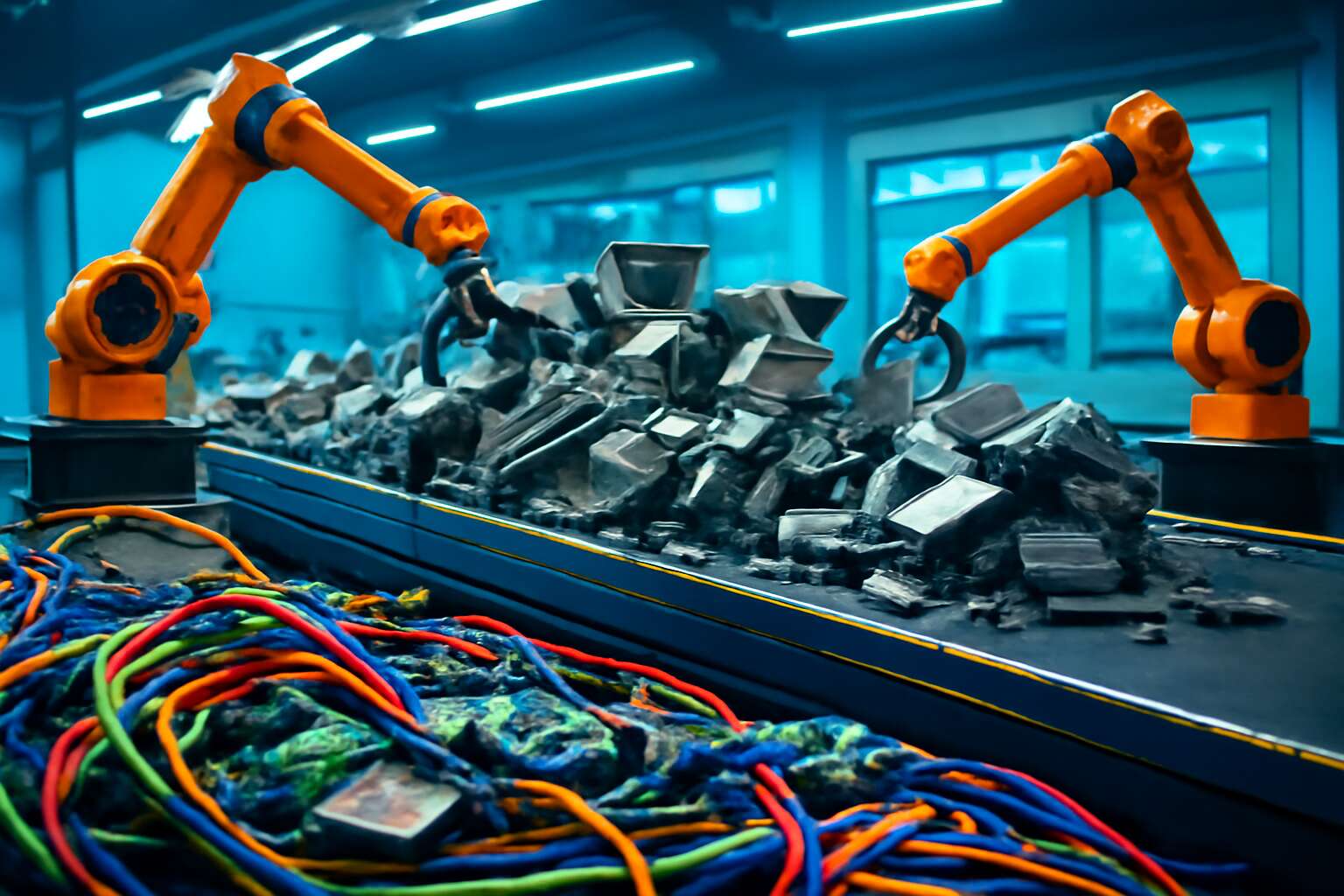
Cities hum with the glow of screens, and devices reach end-of-life with startling speed. This is why e waste management is important. Automated recycling and material recovery innovations are turning a messy dilemma into a precise workflow, from AI-guided sorting to robotic dismantling and selective recovery of metals. In South Africa, urban centers and remote towns alike are expanding e-waste streams, and automated systems help manage them without overburdening landfills.
- AI-guided optical sorters separate plastics, glass, and metals with remarkable accuracy
- Robotic dismantlers recover components while minimizing exposure risks
- Hydrometallurgy and advanced refining reclaim precious metals and rare earths
Across South Africa, digital tracking and process analytics bring transparency to the entire life cycle, from collection to final material streams, spurring responsible investment and cleaner supply chains.
Circular economy take-back schemes and partnerships
Smarter, scalable approaches are turning e-waste management into a precision operation in South Africa’s buzzing cities and quiet townships. Think modular devices, data-driven refurbishing pipelines, and real-time process analytics—enough to silence the ghosts of overflowing landfills and keep resources circulating.
This is where the bottom line lands: why e waste management is important.
- Manufacturer-led take-back schemes that close the loop on devices at end-of-life
- Public–private partnerships enabling certified refurbishers and responsible recyclers
- Community collection drives linked to formal processing and safe data destruction
In South Africa, circular economy take-back schemes and partnerships with retailers, manufacturers, and recyclers turn disposal into an ongoing value chain—reducing pollution, creating jobs, and ensuring trust in green supply chains.
Sustainability metrics and impact reporting for e-waste programs
Tech-enabled take-back is maturing into a precise operation. In South Africa’s bustling cities and quiet townships, AI-guided sorting, modular devices, and data-driven refurbishing pipelines turn waste into value.
This is why e waste management is important. Sustainability metrics and impact reporting are the compass: diversion rate, material recovery yield, energy intensity per kilogram, and the social footprint—jobs created and local procurement. The following innovations are shaping practice:
- AI-driven sorting and sensor fusion to boost material yield
- Blockchain-enabled chain of custody and verifiable data sanitization
- Real-time dashboards that translate lifecycle data into clear KPIs
Transparent impact reporting, aligned with local regulations and international frameworks, strengthens trust among citizens, retailers, and investors—ensuring ongoing support for responsible e-waste programs in South Africa.
Emerging challenges and future trends in e-waste
E-waste is the fastest-growing waste stream globally, and in South Africa the tempo is accelerating as devices move from pockets to trash. That is a clear reminder of why e waste management is important for communities, businesses, and the environment.
Innovations and best practices are reshaping the field: robotic disassembly with tactile sensors to sort materials at speed, digital twins that model refurbishing lines, and interoperable data standards that trace every component from cradle to second life.
- Robotic disassembly with tactile sensing to optimize safety and yield
- Digital twins that simulate throughput, failures, and bottlenecks
- Open data schemas that unify asset histories across suppliers and recyclers
Emerging challenges loom—informal sectors, energy-intensive processing, and regulatory gaps. The future trend leans toward circular design, local micro-factories, and cross-border interoperability that respects sovereignty and data privacy. This vision keeps communities and investors engaged.




0 Comments