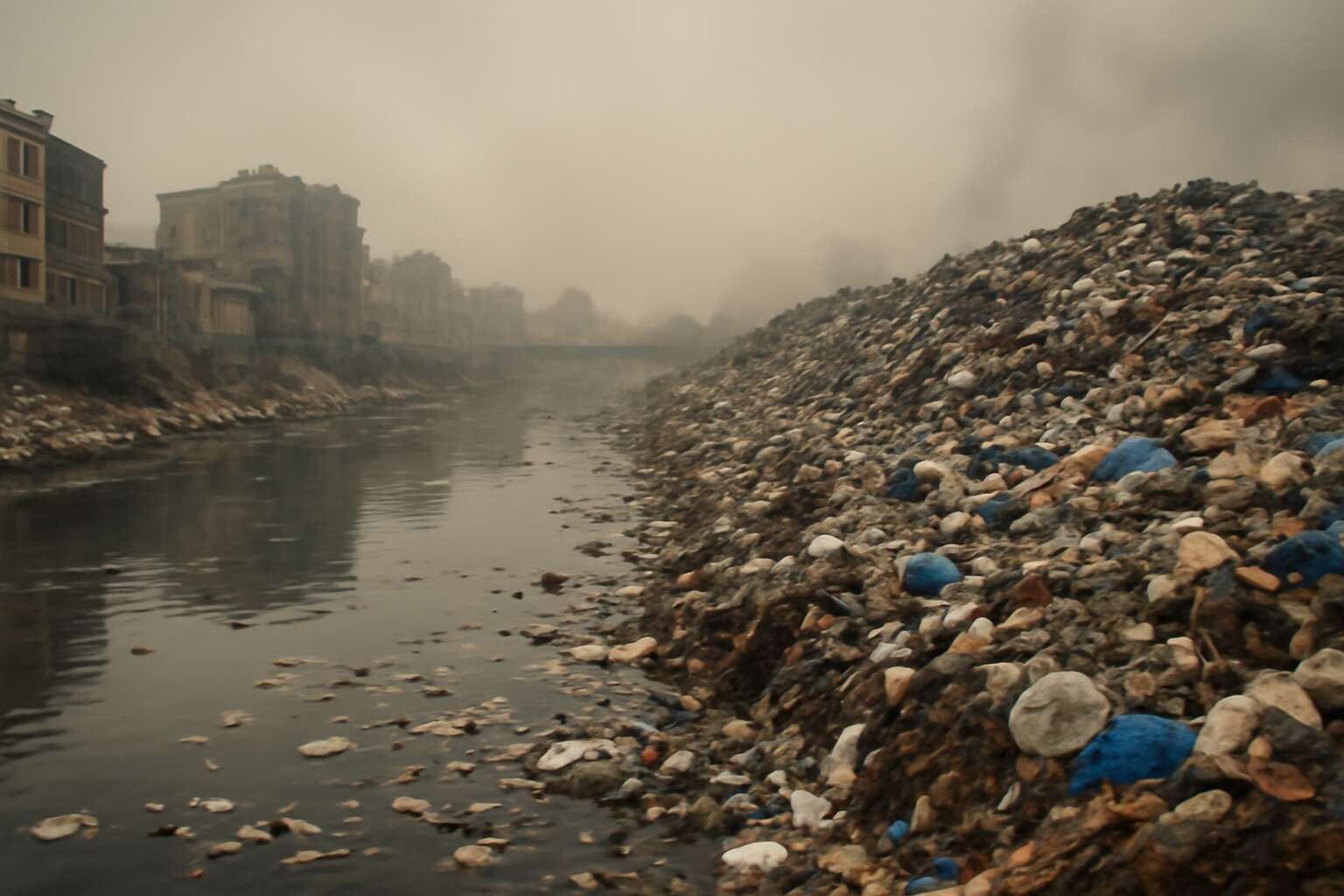
Environmental and Ecological Impact of Mismanaged Waste
Air Pollution and Greenhouse Gas Emissions from Landfills
South Africa’s urban air is tethered to the waste we discard. Methane, a greenhouse gas about 28 times more potent than CO2 over a century, sneaks from landfills and taints the atmosphere with a wry, invisible bite. This is a reminder of the consequences of poor waste management, drifting into neighborhoods and dulling the tempo of city life.
- Methane, a potent greenhouse gas that traps heat
- Volatile organic compounds (VOCs) that haze the air
- Hydrogen sulfide and other odorous emissions
- Dioxins and furans from burning or slow decomposition
Ecologically, those emissions aren’t the only menace. Leachate can contaminate soils and streams, while habitat loss and altered food chains follow in the wake of degraded landscapes. Greenhouse gas emissions from landfills feed climate change, reshaping South Africa’s delicate biodiversity tapestry—and making even a well-mannered stroll through the veld a little more perilous.
Water Pollution and Marine Ecosystem Disruption
Mismanaged wastewater hides in plain sight, turning rivers and coastal harbours into slow-moving threats. Nutrients and toxins wash downstream, nudging estuaries toward algal blooms and oxygen-starved beds. Mangroves and coral nurseries suffer as sediments and chemicals accumulate, while local fisheries face tainted catches and communities confront elevated health risks from polluted waters.
- Eutrophication fueling algal blooms and dead zones
- Damage to estuaries, mangroves, and coral habitats
- Bioaccumulation of heavy metals and contaminants in seafood
- Spread of pathogens affecting coastal health and tourism
The consequences of poor waste management ripple through South Africa’s marine corridors, altering food webs and livelihoods.
Soil Contamination and Groundwater Risk
Across South Africa’s arid soils, waste mismanagement leaves a stubborn imprint. Up to 30% of groundwater samples near unmanaged dumps show leachate traces—a blunt reminder of the consequences of poor waste management.
When refuse decays underground, it does not vanish; it migrates. Soil becomes a reservoir for heavy metals, persistent organic pollutants, and salts that silence roots and microbial life. Nutrients slip away as contaminants creep with groundwater, rewriting the rules of farming and habitat alike.
- Soil fertility declines as essential minerals are locked up
- Groundwater wells become repositories for toxins
- Bioaccumulation rises in crops and grazing animals
- Soil microbes lose resilience, weakening natural cleanup processes
I stand with farmers and coastal communities—feeling the land’s memory demand cleaner stewardship, now, before the echoes turn to irrevocable scars.
Biodiversity Loss and Habitat Degradation
Each coastline and savanna whispers of life until waste arrives and lingers. Across South Africa’s diverse landscapes—from the Cape’s fynbos to inland wetlands—the mismanagement of refuse wears down habitats. Biodiversity loss and habitat degradation become the quiet aftershocks, as pollinators vanish, songbirds retreat, and fragile ecosystems lose their stubborn edge against drought and flood. The consequences of poor waste management ripple through land and sea, turning vibrant places into muted margins.
Along this fragile thread, several impacts stand out:
- Habitat fragmentation that isolates plant and animal communities
- Displacement of endemic species and altered predator–prey dynamics
- Disruption of pollination and seed-dispersal networks
- Weakening of coastal and freshwater buffers against storms and erosion
As landscapes remember, the memory asks for cleaner stewardship before the living chorus is silenced.
Economic Costs of Inadequate Waste Management
Cleanup and Site Remediation Expenses
Cleanup bills aren’t abstract; they land in the council chamber and on corporate ledgers. In South Africa, municipal budgets already stretch thin, and waste piles push those numbers higher as illegal dumps proliferate and cleanups escalate. The economic pressure isn’t theoretical; it’s paid in real, tell-tale line items!
If waste isn’t managed, costs cascade into long-term risks that taxpayers and investors end up paying. Consider these major expense lines:
- Cleanup and disposal at illegal dumpsites
- Site remediation and soil restoration
- Groundwater monitoring and treatment programs
- Long-term regulatory compliance and monitoring costs
We see communities rerouting funds from schools and health services to cover those bills. Beyond immediate disposal, communities face groundwater treatment, soil rehabilitation, and ongoing monitoring. The result is fewer funds for essential services and stunted growth for redevelopment projects. These are the consequences of poor waste management.
Property Value Decline and Lost Tourism Revenue
In South Africa’s cities where waste lingers on the curb like a mausoleum of neglect, property values drift lower with each closed window. Local assessments show homes within a kilometer of unmanaged refuse can lose up to 12% of their value. These are the consequences of poor waste management.
Property value decline isn’t the only shock. Lost tourism revenue gnaws at town coffers as travelers bypass dumps-scarred landscapes. Lodgings report lower occupancy, eateries see fewer patrons, and attractions lose shine.
- Reduced hotel occupancy and nightly rates
- Diminished visitor footfall to attractions and waterfronts
- Slower commercial redevelopment due to uncertain returns
The economic shadow widens, swallowing futures and muting the city’s appetite for renewal. When tourism wanes and property values stumble, the same streets that should hum with life fall into a grave quiet—an unseen debt haunting future investments.
Infrastructure and Service Delivery Costs
Urban budgets buckle under the weight of waste service gaps. The consequences of poor waste management are felt in every council ledger and street corner. When infrastructure lags, maintenance climbs, flood-prone drains spill refuse into gutters, and pricey emergency cleanups become the norm. “Waste is a business problem before it’s a trash problem,” urban policy analysts say.
These costs show up in city cash flow long after the bins are emptied.
- Higher fuel and labor costs from inefficient collection routes
- Public health and emergency response expenses tied to litter and overflow
- Delayed private investment and slower redevelopment due to unreliable service
In South Africa, the price of neglected waste infrastructure is borne by public health, service delivery, and the viability of renewal projects—eroding investor confidence and leaving communities paying the tariff for neglect.
Resource Waste and Opportunity Costs
The economics of neglect do not whisper; they slam. In South Africa, I’ve seen councils watch budgets buckle as waste service gaps bleed money from every line item. The consequences of poor waste management show up in the ledger and on the street.
Resource waste compounds opportunity costs: capital sits idle, redevelopment stalls, and private investment thins as trust in city services flinches.
Here are some economic costs that often fly under the radar:
- Idle capital and equipment waiting on maintenance that never arrives
- Higher financing costs and risk premiums for renewal projects
- Delayed redevelopment and reduced private investment due to unreliable service
In South Africa, this cascade erodes investor confidence and drains municipal reserves, turning neglect into a tax on citizens and a hurdle for renewal—the consequences of poor waste management.
Public Health and Safety Risks
Disease Transmission and Vector-Borne Illnesses
South Africa’s waste realities aren’t just unsightly; they’re a public health punchline with a sting. When bins overflow, pest populations surge and disease risk climbs—city health dashboards note double-digit upticks in complaints after heavy rains. The consequences of poor waste management extend far beyond smell and litter into public safety and everyday well-being.
Public health and safety risks rise as disease transmission and vector-borne illnesses ride shotgun with unmanaged waste. Flies, mosquitoes, and rodents feast on garbage, threading pathogens into communities—especially in crowded townships and peri-urban zones.
- Rodents gnawing through rubbish and nesting in bins
- Flies carrying bacteria from decaying matter to food surfaces
- Mosquitoes breeding in stagnant water near waste sites
Take a breath: the impact is local, not theoretical. The health system bears the cost when waste mismanagement goes unchecked—outbreaks, clinic visits, and lost productivity pile up, turning litter into a financial drain.
Occupational Health Hazards for Waste Workers
Waste is the city’s quiet verdict, and in South Africa the price of convenience is paid in injuries. A veteran sanitation supervisor once quipped, “the hazard is deliciously quiet until it bites!” The consequences of poor waste management aren’t just odour; they become a ledger of illness and risk walking with every shift.
Consider the day-to-day hazards waste workers confront:
- Needlestick injuries from sharp debris
- Dermatitis and chemical exposure from household waste
- Respiratory irritation from decomposition gases
- Musculoskeletal strain from lifting and repetitive motions
The human cost extends beyond the crew; I’ve watched families bear ripple effects as clinics fill and productivity slows. The true price sits in the eyes of those who sort through yesterday’s leftovers.
Sanitation and Hygiene Challenges in Communities
The streets whisper a warning: the consequences of poor waste management ripple into public health with surprising speed. In South Africa’s communities, uncollected trash becomes a breeding ground for pests, bacteria, and anxiety among residents. A local health worker once noted, “Hygiene is a shared shield, and waste is its gentle breach.”
- Overflowing bins blocking walkways and market aisles
- Blocked drains and standing water that invite pests
- Unattended waste piles near schools and clinics
- Contaminated surfaces and shared spaces during peak hours
Sanitation gaps push communities toward improvised solutions, elevating the risk of illness and undermining daily life. Cleanliness becomes a fragile thread linking commerce, schooling, and family meals—pull it, and the fabric frays quickly. I’ve watched families navigate overflowing skips and crowded clinics; the impact is intimate and immediate.
Social, Governance, and Urban Planning Implications
Inequities in Access to Waste Services
Waste is a mirror of governance, and in South Africa the reflection isn’t pretty. The consequences of poor waste management spill into streets and kitchens, hitting the most vulnerable first. A city planner quipped, “The cost of ignoring waste is paid in health, dignity.” It’s punchy, but true!
The social footprint shows inequities in access to waste services—richer areas get quicker pickups while informal settlements shoulder dumps and delays. This gap isn’t just unsightly; it erodes trust, public health, and budgets.
- Unequal service coverage between affluent neighborhoods and informal settlements.
- Health risks when waste piles linger near schools and markets.
- Erosion of social trust as residents feel neglected.
Governance and urban planning that ignore waste form a vicious circle: fragmented budgets, patchy contracts, and zoning that misses corridors. The result is service deserts, stunted investment, and urban form shaped by neglect—a reminder of the consequences of poor waste management.
Policy Gaps and Governance Burdens
South African cities show a stark truth: waste is a mirror of governance, and the consequences of poor waste management ripple through streets, kitchens, and schools. A municipal chief quips, “Waste is governance in motion,” and residents feel it first in delayed pickups and slipping dignity.
Social stability hinges on reliable service; when pickups lag, informal settlements bear the brunt, markets become exposure zones, and trust in leadership frays. Urban planning that ignores waste forms a vicious circle: fragmented budgets and patchy contracts, with zoning blind to waste corridors.
Policy gaps and governance burdens show up where alignment is missing:
- Budget fragmentation that hampers cross-department action
- Weak contract enforcement inviting delays
- Zoning neglecting waste transfer and logistics corridors
Until these gaps are repaired, the urban fabric bears the mark of neglect—shadows over investment and everyday life.
Urban Planning Strains and Infrastructure Delays
In urban South Africa, a missed collection isn’t just clutter—it reshapes daily life and tests trust! Local markets slow and schools feel messier as delayed pickups become routine. A city leader once said, ‘Waste is governance in motion,’ and the truth lands where dignity meets schedule.
Governance and policy alignment are the quiet gears that keep streets clean and communities intact. When budgets hide in pockets and procurement moves slowly, maintenance stalls and service levels dip. The result is a climate of second-guessing and disengagement from public life.
Urban planning strains show up as waste corridors are treated as afterthoughts—missing transfer hubs, clogged routes for trucks, and redevelopment plans that overlook sanitation logistics. These delays ripple through housing, schools, and commerce, turning promise into stalled futures. The consequences of poor waste management imprint the urban fabric with slower growth and waning confidence in city planning.
Public Trust and Community Resilience
In South Africa’s cities, the cadence of daily life hinges on the quiet reliability of waste services. “Waste is governance in motion,” a city leader once said, and the truth lands where dignity meets schedule. When pickups slip, streets become imperfect stages for public life, and trust frays as litter accumulates.
Social, governance, and urban planning implications unfold in small, human ways:
- Public trust wanes as residents perceive weak accountability and inconsistent services.
- Budgets and procurement delays corrode maintenance, leaving schools and markets underserved.
- Informal networks form resilience, yet widening gaps threaten social cohesion.
Across South Africa’s diverse neighborhoods, these consequences of poor waste management ripple into daily life, shaping how communities imagine their futures. The urban fabric bears both beauty and burden—yet resilience glints in shared dignity and collective action.




0 Comments