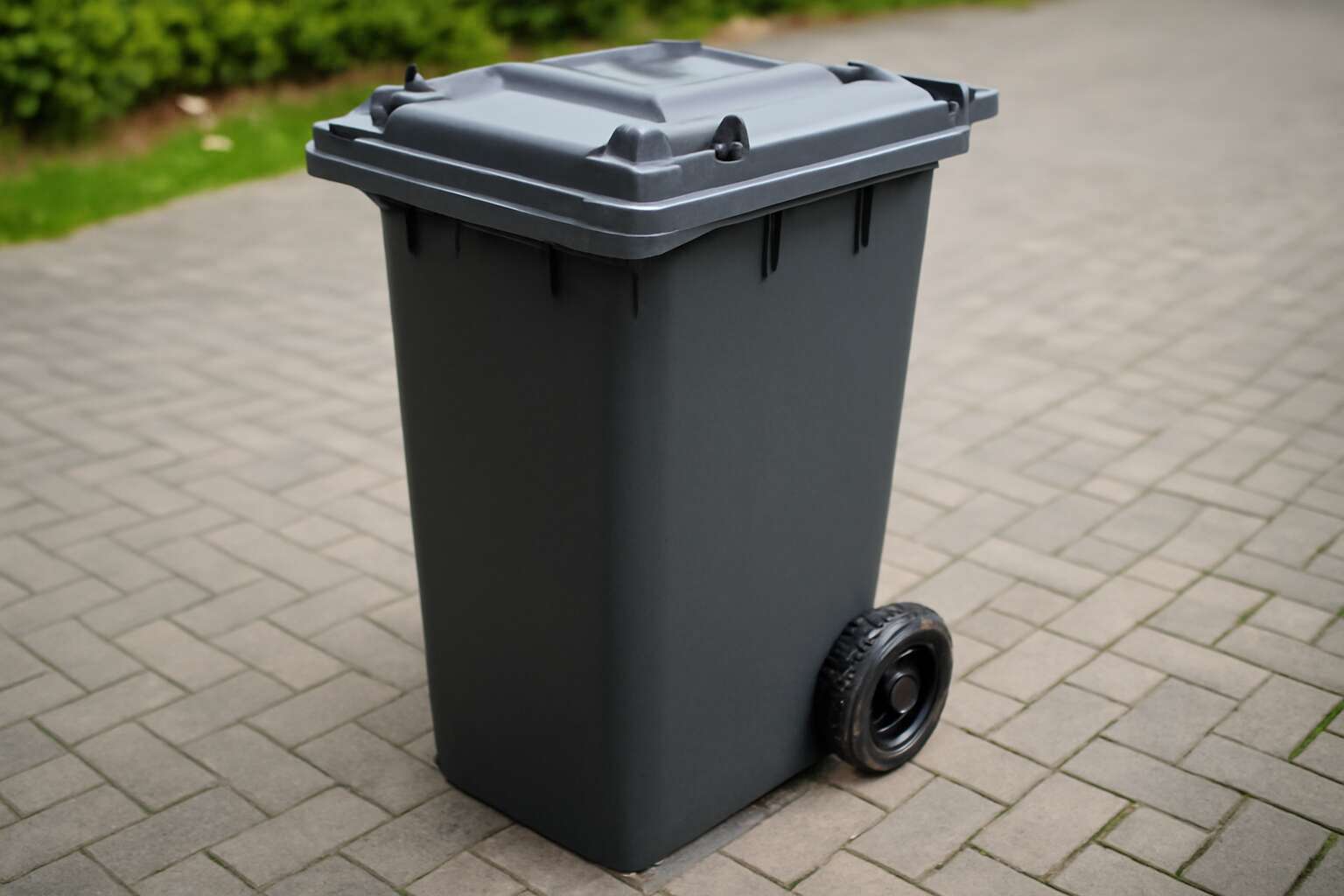
Benefits of wheeled refuse bins
Convenience and mobility in daily waste management
A simple wheel can rewrite a household’s rhythm. In South Africa, the refuse bin on wheels becomes more than a container—it’s a quiet promise of order and responsibility. One watches it glide from kitchen to curb, turning a heavy lift into a smooth, almost grateful motion.
Convenience compounds daily efficiency. With a well-balanced bin, residents navigate stairs, balconies, and narrow passages without the strain. The mobility invites a routine where waste goes out on time and health stays steadier. The extra minutes saved when the bin is rolled out become evident.
- Effortless mobility that protects your back and joints
- Containment that reduces spills, odours, and pests
- Compact design that fits tight urban spaces and South African homes
The result is a cleaner home and a calmer street—where responsibility moves with you rather than pretending it’s someone else’s problem.
Reducing strain with ergonomic design
Across South Africa, the refuse bin on wheels feels less like a container and more like a mindful companion. The ergonomic design—comfortable grip, balanced weight, and quiet casters—eases every lift. The motion, from kitchen to curb, becomes a gentler ritual that respects posture and practicality.
The practical mercy of this design is clear: fewer jolts, fewer twists, and a steadier day. This is human-centered engineering that invites consistent routines and a calmer home life.
- Ergonomic grip and optimal handle height reduce bending and twisting
- Balanced weight distribution lightens the load on hips and spine
- Gliding wheels navigate stairs and thresholds with ease
In my own home, I watch disposal become a small ritual that strengthens daily discipline. Movement feels lighter, and responsibility follows naturally, quietly, in the best South African sense of order.
Versatility for indoor and outdoor use
Across South Africa, 62% of households report easier waste management after switching to wheeled bins. The refuse bin on wheels arrives like a quiet promise—a companion that makes clutter feel manageable and the curbside ritual almost ceremonial. It invites order, with a touch of everyday magic.
Versatility is its charm. Indoors, it glides through kitchens and flats with dignity; outdoors, it stands up to sun and rain, waiting at the gate or storeroom. The refuse bin on wheels adapts to need, turning chores into a practiced, gentle ritual.
- Indoor convenience: compact sizes for apartments, easy pairing with pantry spaces
- Outdoor resilience: weather-resistant materials, smooth transitions from kitchen to curb
- Maintenance ease: simple lift-off lids and removable bins for quick cleaning
Its quiet power reshapes daily life—one careful roll at a time, a small revolution underfoot.
Odor control through sealable lids
Across South Africa, 62% of households report easier waste management after switching to wheeled bins. The refuse bin on wheels arrives like a quiet guardian, promising freshness where clutter once lingered and the curbside ritual becomes a moment of deliberate calm.
Odor control through sealable lids is its quiet backbone. A tight seal traps smells within, keeping kitchens and corridors fresher, even in humid SA climates, and politely nudging pests away as dusk settles.
- Seal a tight lid with a gasket for odour containment
- Removable inner bin for quick cleaning and easy maintenance
- Odour-restrictive finishes that resist lingering scents
That quiet design invites a more mindful home rhythm, where scent meets order and daily life breathes a little easier.
Key features of a high-quality rolling trash can
Durable materials and weather resistance
Across South Africa’s urban rhythms, a well-made refuse bin on wheels cuts curbside chaos and trims waste day fatigue—by as much as 40%. A silent sentinel, it stands ready; durable materials lay the groundwork, weathering rain, heat, and the occasional driveway scrape.
Durable components withstand daily use. A shell of powder-coated steel or corrosion-resistant aluminum protects against dents, while UV-stable high-density polyethylene keeps color bright under the African sun.
- Powder-coated steel shell resists rust and dents
- UV-stable HDPE for long-lasting color
- Rugged wheels with sealed bearings for easy rolling
Weather resistance goes beyond the shell. Sealed lids and weatherproof gaskets keep odors in and rain out, even during summer downpours. Robust handles and easy-clean interiors ensure the refuse bin on wheels remains pristine through the seasons.
When a bin is built this way, the refuse bin on wheels becomes a trusted companion for households, businesses, and communities.
Smooth-rolling wheels and stability
In South Africa’s bustling streets, a refined refuse bin on wheels reframes the chore of weekly waste into a quiet, practiced ritual. “A great bin on wheels makes the week breathe easier,” a facilities manager once told me, and the cadence of that truth lingers with every curbside collection.
What marks a high-quality rolling trash can? Smooth-rolling wheels and a steady stance that defies rutted driveways and gusts. A low center of gravity, paired with sealed bearings and a reinforced axle, keeps it faithful to your rhythm.
- Smooth-rolling wheels with sealed bearings
- Broad base resists tipping on uneven surfaces
- Ergonomic handles and intuitive lids for safety
- Corrosion-resistant components for long life
When these elements align, the refuse bin on wheels becomes more than a container—it becomes a partner in daily life, an emblem of order amid South Africa’s vibrant pace.
Lid design and odor control mechanisms
In South Africa’s fast lane, the lid is the first line of defense against smell. “A well-sealed lid can quiet the room before the bin is even touched,” a facilities manager told me. The refuse bin on wheels should feel trustworthy the moment you approach, turning curbside collection into a quiet, predictable ritual.
Lid design matters as much as the bin’s body. It must seal tightly, be easy to lift with one hand, and stay quiet in use.
- Airtight gasket around the rim
- Soft-close, one-handed operation
- Rugged, easy-clean lid surface
Odor control mechanisms lock odors at the source. An internal antimicrobial coating, a removable odor-trap tray, and a built-in carbon filter keep the air fresh between pickups. For a bin on wheels, these features extend the life of the bin and the comfort of your space.
Capacity options and space efficiency
In South Africa’s busy suburbs, the refuse bin on wheels is a quiet anchor of daily life. A facilities manager told me, “the first cue to order is a can that looks ready for use.” Capacity options span 40–60 litres to 120–240 litres, matching spaces without compromise.
These units win space with slim profiles and smart wheel placement, letting larger volumes fit into tight corners. Thoughtful interior design supports sorting and quick bag changes, keeping clutter at bay even in compact kitchens.
Capacity isn’t just size; it shapes pace. The right option supports kitchens, clinics, and courtyards, turning routine waste into a smooth, almost invisible ritual.
How to choose the right wheeled bin for your space
Assessing volume, frequency, and placement
That urge to skip a tidy haul ends when you meet the right refuse bin on wheels. In South Africa, busy households and street-side deliveries test curbside routines, and choosing the right bin can cut mess by a surprising margin—some estimates suggest a 25% drop in overflow when the fit is right. So what should you weigh first? Volume, frequency, and placement.
Think about:
- How much waste you generate weekly (family size, shopping habits, and regional packaging quirks)
- How often the bin needs to be moved to service points
- The available footprint and door or stair clearance
With these guardrails, a refuse bin on wheels becomes more than a container; it’s a quiet ally in daily logistics. In the South African context, smooth-rolling wheels and a compact footprint keep courtyards orderly and skip the curbside jam. A well-chosen bin earns its keep by gliding wherever you need it.
Indoor vs outdoor models and weatherproofing
In South Africa, the right bin can turn curbside chaos into calm. Some estimates suggest a 25% drop in overflow when the fit is right, turning everyday disposal into a smoother, mess-free routine. That quiet roll is more than convenience—it’s a daily partner that keeps courtyards orderly and deliveries on track.
Indoor models shine where space is scarce: a compact footprint and a lid that seals to curb odours. Outdoor models demand weatherproofing—UV-stable plastics, rugged seals, and corrosion-resistant hardware to endure sun, rain, and dust in SA climates.
A well-chosen bin should glide with minimal fuss, balancing size with movement capabilities so it suits your space. When the fit is right, a refuse bin on wheels becomes less about capacity and more about daily rhythm and reliability.
Material choices: plastic, steel, and composite
A 25% drop in overflow isn’t magic—it’s the math of picking the right refuse bin on wheels. Material, size, and fit turn curbside chaos into calm, especially in South Africa’s sun-drenched, busy streets.
Plastic, steel, and composite—three material profiles to consider for durability, cost, and daily use.
- Plastic: lightweight, corrosion-resistant, and UV-stable; easy on the budget, but can scratch and show wear under heavy use.
- Steel: rugged and long-lasting, ideal for high-traffic sites; mind coatings and ventilation to ward off rust.
- Composite: a balanced choice—weather-ready with solid impact resistance and a neater curb appeal.
Choosing means weighing space, handle design, and cleaning ease. A well-matched option slips under a counter or out the doorway with minimal effort, and your refuse bin on wheels becomes a quiet partner in daily life.
Accessibility features and user-friendly handles
For spaces across South Africa’s bustling neighborhoods, picking the right wheeled bin is a quiet revolution. The right footprint slips beside a doorway or under a counter, turning curbside chores into a smooth glide. When evaluating a refuse bin on wheels, think in terms of available space, access around furniture, and how it will maneuver with daily traffic. A careful measure now prevents awkward fits later.
Accessibility features and user-friendly handles deserve scrutiny as you weigh size and shape.
- Ergonomic handles and grip-friendly contours for comfortable lifting
- Hands-free lid operation or foot-activated mechanisms
- Stable, easy-rolling wheels that handle uneven surfaces
The right design feels unobtrusive yet dependable, blending with home or office interiors while remaining reliable when the pace picks up. The right option supports daily routines without drama, keeping waste management predictable in a busy South African landscape.
Maintenance and lifespan of wheeled refuse containers
Cleaning routines to prevent odors and pests
Maintenance is the quiet engine behind any refuse bin on wheels, and we know in South Africa’s bustling precincts a well-kept bin ages gracefully—fewer leaks, less odor, longer service life, and a cleaner footprint for every home and business.
Cleaning routines prevent odors and pests. After disposal, rinse the interior with mild soap, then disinfect lightly. Rinse again, dry completely, and store away from heat. Yes, cleanliness buys time, and a sun-dried interior discourages critters and keeps nearby spaces fresh.
- Inspect wheels and axles for wobble and wear
- Test lid closure and seal integrity
- Replace worn gaskets and hardware
- Wipe the interior monthly with a sanitizer and allow to dry
With steady upkeep, the refuse bin on wheels delivers longevity and reliability, a steadfast ally in South Africa’s waste management routine.
Wheel maintenance and replacement tips
The lifespan of wheeled refuse containers is a quiet prophecy etched in metal and resin. In the tempo of South Africa’s streets—the heat of the day, the whisper of rain on corrugated roofs—a well-kept unit ages with uncommon grace. The refuse bin on wheels becomes more than a cart; it is a sentinel whose endurance speaks of design, material, and care.
Maintenance speaks softly of balance: wheels, seals, axles, and frames must endure the test of time and weather. A few vigilant observations keep the cycle unbroken:
- Wheel wear and wobble
- Seal integrity and bearing health
- Axle alignment and frame rigidity
Thus, longevity is not luck but the quiet reverence paid to the components that carry our daily ritual of waste.
Cleaning and sanitizing the can interior
Across South Africa’s sunlit streets, the lifespan of wheeled refuse containers is a quiet prophecy etched in metal and resin—the refuse bin on wheels aging with uncommon grace when tended with care.
Maintenance is a study in balance. Wheels, seals, axles, and frames must endure the test of weather and time. A few vigilant observations keep the cycle unbroken.
- wheel wear and wobble
- seal integrity and bearing health
- axle alignment and frame rigidity
Cleaning the interior is part of the lifecycle: cleaning and sanitizing help deter odors and pests, extending the unit’s life. Materials respond differently to cleaners, so the interior benefits from methods gentle to plastic and metal and from thorough drying after cleansing.
In the end, a well-kept refuse bin on wheels stands guard over neighbourhoods, turning a daily ritual into a quiet endurance test of design and care.
Routine inspections for damage and safety
Across South Africa’s urban and rural edges, the refuse bin on wheels endures the seasons with a quiet dignity. Maintenance is a study in balance, where the lifespan of these carts hinges on vigilant inspection and timely care. Routine inspections for damage and safety catch early signs—a loose fastener, a hairline crack, or a wheel that stutters—before they derail daily collection cycles.
Sunlight, moisture, and heavy use demand careful drying after cleansing and periodic lubrication of hinges and axles. Material choices—UV-stable plastics, coated metals, and robust finishes—afford resilience against the harsh climate. With mindful upkeep, the lifecycles of wheeled refuse containers extend, quietly supporting neighbourhoods through seasons of change.
Extending lifespan with proper storage and use
Across South Africa’s urban and rural edges, a refuse bin on wheels carries more than waste; it carries daily rhythms and communal responsibility. Longevity isn’t luck; it grows from storage that respects the cart’s simple mechanics and from use that avoids unnecessary stress. Direct sun and rough handling are the arch enemies of longevity, yet thoughtful design allows modest resilience.
For a refuse bin on wheels, durability comes from UV-stable plastics, coated metals, and robust finishes that withstand our climate. After cleansing, a thorough drying helps curb mould and corrosion, while gentle lubrication preserves hinges and axles without turning maintenance into ceremony. The result is a container that remains dependable through seasons and neighbourhoods.
In South Africa’s diverse communities, a well-cared-for cart quietly underpins daily waste management, extending its lifespan and upholding the dignity of everyday work.
Usage best practices and safety guidelines for wheeled bins
Safe lifting and handling techniques
Gracefully, a refuse bin on wheels glides through daily ritual, a quiet partner in city living. In South Africa, efficient waste practice saves time and curbs odors, with surveys noting a notable drop in curbside complaints when lids remain closed and bins stay stable.
- Keep the lid closed to trap odors and deter pests.
- Place the bin on firm, level ground away from doorways and walkways.
- Do not overfill; keep loads balanced to prevent tipping.
- Ensure handles and wheels remain accessible and unobstructed.
Safe lifting and handling lean on the basics: respect the load, bend at the knees, and call for assistance when it’s heavy, so the rhythm of daily chores stays graceful and safe.
Secure lid usage to deter pests
In South Africa’s bustling neighbourhoods, a refuse bin on wheels becomes a quiet partner in daily ritual—elegant in its simplicity when its lid remains closed and it sits on firm, level ground.
- Secure lid usage to deter pests and minimize odors
- Place the bin on firm, level ground away from doorways and walkways
- Do not overfill; keep loads balanced to prevent tipping and maintain stability
Safety and serenity go hand in hand here: accessible handles, clear paths, and mindful loading keep the rhythm gentle, and prevent clutter or mishaps during routine collections.
Proper disposal of hazardous or special waste
Prudent handling of a refuse bin on wheels keeps neighbourhood streets calm and waste contained. In South Africa, heat and sun intensify odours, so separation at source matters: hazardous or special waste should never join general refuse. Follow municipal guidelines to dispose of electricals, batteries, paints, solvents, and aerosols at approved collection points rather than the everyday bin.
- Hazardous or special waste must never join general refuse; store in clearly labelled containers until disposal at approved points.
- Batteries, paints, solvents, aerosols, and electronics require municipal drop-off or dedicated collection days—check your local schedule.
- Sharps and medical waste should use approved containers and follow local guidelines; confirm drop-off locations with the municipality.
Safe handling also means mindful loading and placement. Keep the route clear, avoid overfilling, balance loads, and ensure the lid closes securely after each use. Regular checks by households help maintain a calm, orderly waste routine.
Weather considerations and outdoor placement
‘A closed lid saves you a whiff of chaos,’ a SA waste manager likes to say, and a well-kept refuse bin on wheels makes that truism real. In usage best practices and safety guidelines, position it on a shaded, level patch to keep movement smooth and emissions in check. A secure lid and regular checks help prevent spills, and choosing a stable spot reduces drama on collection mornings.
- Keep on level ground to prevent tipping
- Avoid direct sun when possible to slow odour development
- Shield from strong winds with a nearby wall or enclosure
This thoughtful setup ensures the refuse bin on wheels remains a discreet, dependable feature of daily life.




0 Comments