Addressing Mismanaged Waste: Impacts and Solutions
Preventing and Reducing Waste in Communities
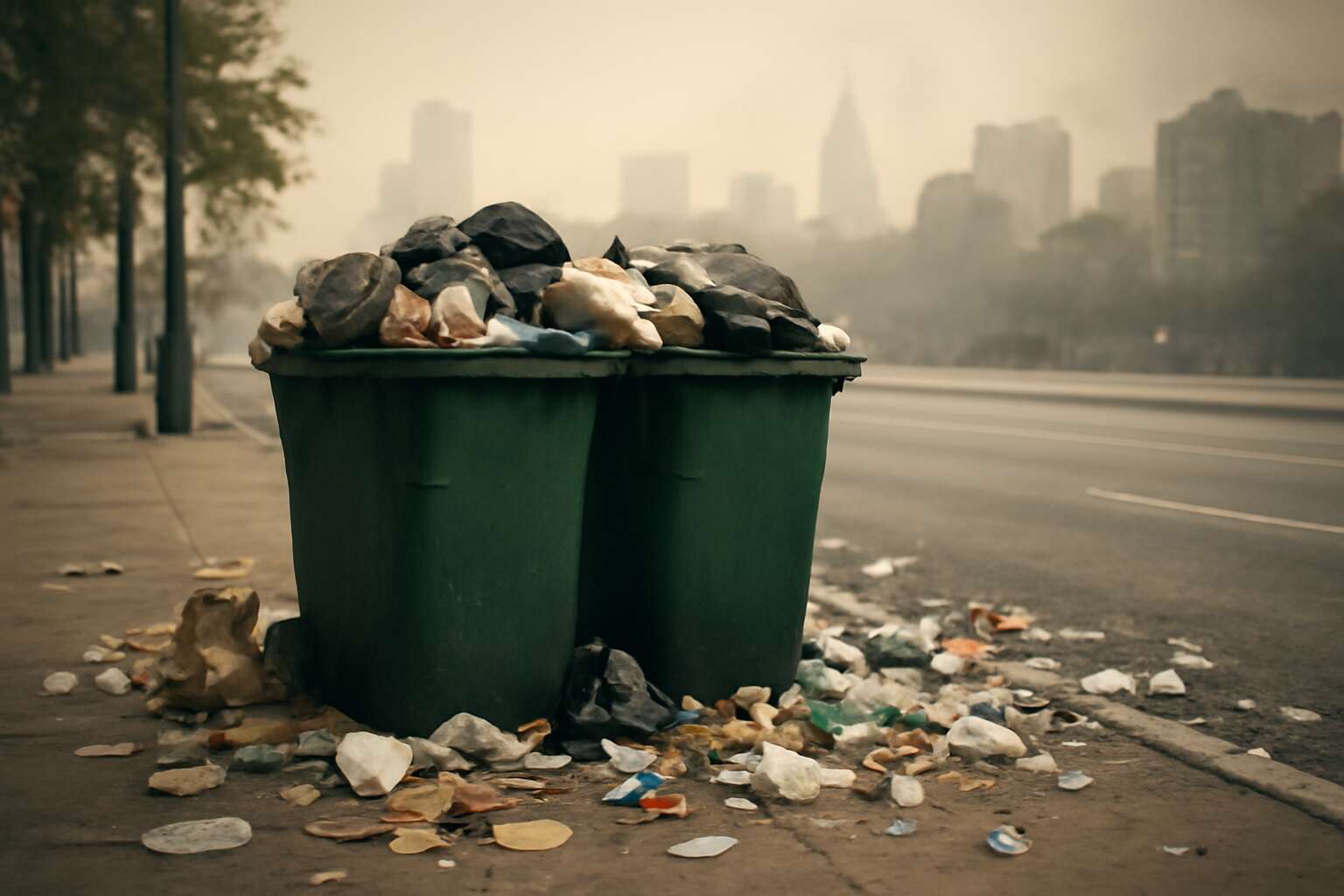
Across South Africa, streets glow with neon and noise, yet mismanaged waste sits in the shadows, clogging gutters and polluting drains. A telling stat sits in the air: in urban centres, up to half of the waste never reaches proper sorting streams. This is poor waste management in action, and its costs ripple through every neighbourhood.
Polluted waterways, vector-borne risks, and blunted local economies follow in its wake. Families spend money on cleanup, informal waste pickers chase scraps, and tourism loses its sparkle when communities look run-down. Addressing it means reimagining waste as a resource and stitching prevention into daily life.
- Recycling networks that recognize informal waste pickers
- Reliable collection and street cleaning in townships and suburbs
- Clear waste-separation habits in homes and businesses
Together, these steps reshape how communities live with waste—less waste, clearer streets, stronger futures!
Environmental and Public Health Consequences
A city river of litter tells a harsher truth: poor waste management costs more than coins can tally. Polluted air and clogged drains sharpen the price borne by every street.
Public health bears the weight in South Africa’s clinics and families; diarrheal disease, mosquito-borne threats, and respiratory strain press on communities. When waste contaminates waterways, livelihoods bend under illness and lost hours.
Change arrives when governance is clear, infrastructure robust, and daily choices become acts of care.
- Reinforced collection and street cleaning
- Safe disposal and resource recovery
- Community education that empowers households
Economic Impact and Policy Costs
Cities across South Africa find the waste problem not just unsightly but a ledger that never balances, like a bin bag trying to count change. A stark truth emerges: poor waste management quietly inflates municipal bills, crowds drains and clinics, and chokes commerce with every overflowing bin. The cost isn’t in coins alone; it leaks into every street’s rhythm.
Economic impact and policy costs follow the same trail: mismanaged waste drains local revenue, slows trade, and gnaws at productivity while health services grapple with avoidable illness. Policy costs—funding for better collection, modern transfer stations, and recycling facilities—are real, yet spreadable through strategic planning and partnerships.
- Capital expenditure for modern collection fleets and route optimization
- Investment in licensed landfills, transfer stations, and recycling infrastructure
- Public education campaigns and stronger enforcement frameworks
When governance is crisp and budgets align with waste realities, the economy breathes easier and streets look a little brighter.
Innovations and Best Practices in Waste Management
Waste has a body count, and it’s bigger than the eye sees—an unseen toll that climbs the municipal ledger. ‘Waste is a budget you can’t gamble with,’ a city official once said, and the truth lands hard: poor waste management siphons funds, strains clinics, and unsettles street life. When bins overflow, trust frays, and even small vendors feel the chill of spiraling costs as health and safety become a question mark in every alleyway.
Solutions rise from smarter logistics and brave partnerships: compact, data-driven collection routes; licensed landfills with methane capture; and community education that shifts mindsets without breaking budgets. By embracing waste-to-resource thinking and extending producer responsibility, South African cities can curtail the spiral—letting the urban rhythm breathe easier again.
Actionable Steps for Stakeholders
In South African towns, a single overflowing bin can ripple through clinics, markets, and bus stops—an invisible debt that compounds weekly. “Bleeding budgets” is how a municipal official puts it, a reminder that the waste stream is more than litter; it is a living ledger of urban health and trust.
Addressing poor waste management means weaving smarter logistics with community stewardship: data-driven collection, partnerships with licensed facilities, and incentives for reuse. When waste becomes a resource, streets calm, clinics breathe, and street vendors find predictable costs. The magic is practical: turn tonnage into feedstock, turn waste into jobs, turn information into action—with fairness at the core.
Communities, councils, and businesses deserve a narrative where waste finds purpose and the city breathes easier.

0 Comments