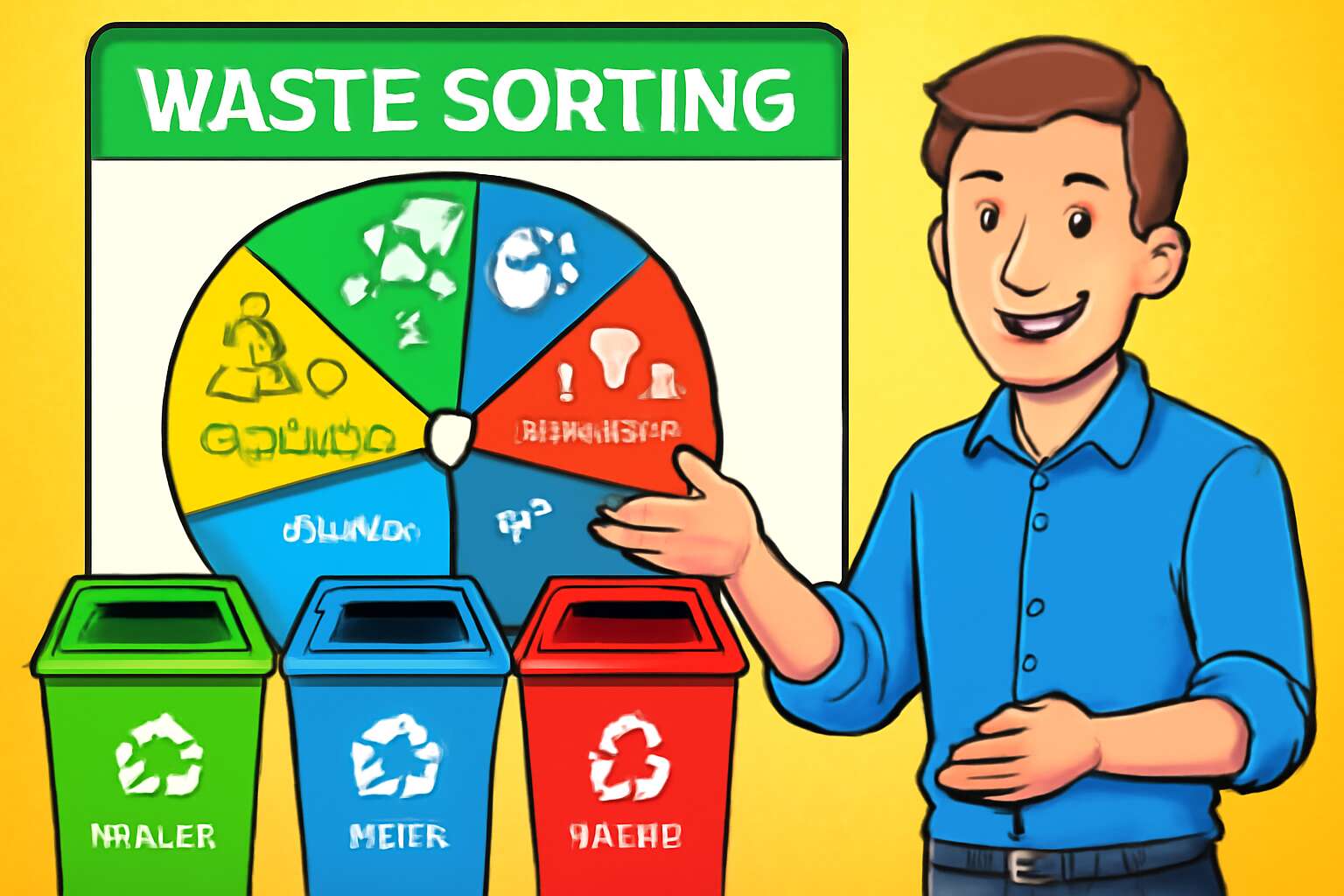
Waste Management Video Strategy Framework
Section A: Strategy and Goals
Across South Africa’s bustling towns, a single frame can shift habits faster than a council decree; video now dominates global attention, with around 82% of internet traffic fueled by moving images; waste management videos designed for local communities transform screens into catalysts for everyday stewardship.
Section A: Strategy and Goals reads like a covenant between citizens and a cleaner future. The aim is to educate, engage, and elevate; to speak in clear terms across local languages; and to align every frame with municipal realities and the cadence of SA life.
To steer this ambitious voyage, three guiding threads emerge:
- Audience resonance and accessibility
- Contextual relevance and language
- Consistency, governance, and impact metrics
In the end, the narrative becomes a mirror for policy and a beacon for action—without shouting, yet unmistakably heard.
Section B: Content Formats and Styles
In a country where screens govern conversation, waste management videos rise as nocturnal beacons. A single frame can turn a dusty curb into a cathedral of care, and the ordinary act of sorting becomes a vow whispered under a streetlight. I hear the city listening, and these videos answer with measured grace.
Formats that breathe—story-driven mini-docs, practical demonstrations with clear visuals, and community voices in local dialects—give the range of scope. Consider this natural list:
- Story-driven mini-docs that personify waste streams
- Practical demonstrations with clear, close-up sorting visuals
- Community voices and local language skits
Styles and sound weave a calm, persistent mood: slow-burning color palettes, careful lighting, and captions that translate nuance without shouting. Accessibility isn’t an afterthought; it’s a foundation. The tone stays professional, a whisper of the gothic, and the cadence respects municipal realities while inviting viewers to reflect.
Section C: SEO and Distribution
Content is the passport; distribution is the journey across South Africa’s screens, where a single accurate frame can ignite a neighborhood spark. I’ve seen these videos travel from quiet curbside moments to bustling community feeds when the metadata aligns with viewers’ needs, and the city seems to lean in!
SEO in this framework is a quiet craft: clear titles, descriptive captions, and translated transcripts that honor local tongues. The aim is signals that search engines and platforms understand—authentic, accessible, and precise—for waste management videos, so the viewer finds relevance without force.
- YouTube and other platforms
- Facebook and Instagram
- WhatsApp community groups
- Municipal portals and local radio
From Cape Town to Polokwane, the cadence is what carries a story over the data sea—local dialects, peak hours, and respectful pacing. A simple, human touch—first-person warmth, occasional exclamations—keeps the tone professional and curious.
Section D: Production and Compliance
One clear frame can spark a citywide conversation about waste. Section D grounds production in responsibility, turning raw footage into waste management videos that land with honesty, accessibility, and a warm curiosity across South Africa’s diverse communities, and I hear the city lean in!
Before the camera rolls, plan with purpose—permits, releases, consent; crew safety; on-site realities; and language accessibility. The following essentials keep the narrative both compliant and compelling:
- Location permits and rights to film
- Model releases and subject consent
- Music, effects, and asset licensing
- Safety protocols and waste-handling guidelines
Compliance stretches beyond borders of a shot: privacy, copyright, and factual accuracy, with captions and translations that honor local tongues. Waste management videos thrive when permissions, ethics, and environmental stewardship ride side by side.
The production spine bends toward dignity—frames that inform without sensationalism, and stories that respect every curb, corner, and community they touch.




0 Comments