Evaluating Market Opportunities
Assessing Local Demand
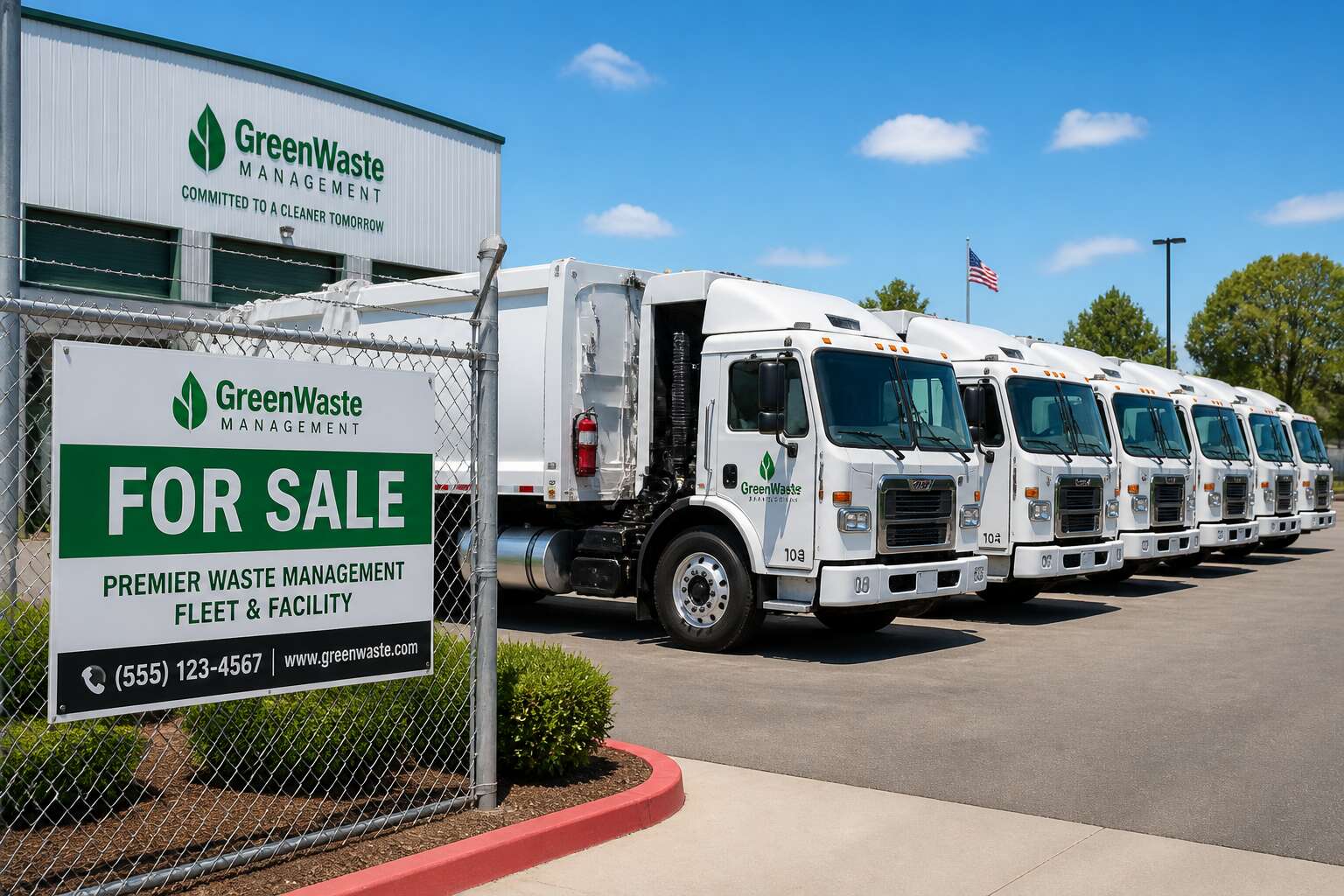
South Africa’s waste sector includes informal collectors and formal operators. When evaluating a waste management business for sale, the first step is understanding local demand with precision, not just the volume of trash.
Demand varies by municipality. In Cape Town, organic waste diversion is pressing. In Gauteng, construction debris dominates. A thorough assessment must consider population density, commercial zones, and the proximity of landfills.
- Housing density and collection frequency agreements
- Industrial output and waste type profiles
- Local recycling mandates and penalty structures
These factors shape revenue stability. A waste management business for sale in a growing township may outperform one in a stagnant suburb. I have seen operators overlook this, and the cost is immediate. Trace the daily route of waste from source to disposal, then match your capacity to that reality!
Competitive Landscape Analysis
Market opportunities hide in the gaps your competitors ignore. In South Africa, the competitive landscape for a waste management business for sale includes informal collectors, municipal entities, and private firms. I have watched formal operators fight over commercial bins while profitable niches sit unclaimed. Industrial sludge and e-waste streams go untouched. A competitor’s weakness is your entry point.
- Track which permits rivals hold and which they let lapse
- Map their collection routes against yours
- Identify client churn patterns before they do
The competitive landscape shifts monthly. A waste management business for sale in Durban might face two entrenched players, while the same operation in Polokwane faces no direct competition. Look at pricing behaviour rather than market share! Desperate rivals undercut, which signals cash flow problems and eventual exits. Their desperation creates your acquisition pipeline.
Regulatory Environment
One amendment to a provincial by-law can erase a year of profit. The National Environmental Management: Waste Act sets the baseline, yet provincial and municipal instruments change without warning. Each shift revalues every waste management business for sale. A facility compliant under old norms becomes a liability when new standards land.
The Extended Producer Responsibility framework has changed the economics of recycling. Landfill bans will follow. The licences themselves tell a story. Check the conditions attached to each permit. Restrictive clauses that limit tonnage or waste types cap your upside.
Read the licence registers before making an offer. I have watched buyers skip this step and pay for it later. They reveal which operators hold compliant authorisations. A waste management business for sale in Gauteng faces different municipal oversight than one in the Western Cape. That variance rewards a buyer who understands the regulatory terrain.
Growth Trends in the Industry
The waste economy is evolving faster than most balance sheets can track. Recent data points to 7% annual growth in South Africa’s waste sector, propelled by urbanisation and industrial output. This momentum reshapes the value proposition of every waste management business for sale. Buyers who read growth trends accurately can secure assets that appreciate as the market matures.
- E-waste recovery, where precious metal prices justify investment in dismantling lines.
- Plastic-to-fuel conversion, which sidesteps load shedding with onsite generators.
- Aggregate recycling from construction rubble, driven by the government’s infrastructure spend.
These niches reward operators with the right equipment and the foresight to secure long-term supply contracts. A waste management business for sale with diverse processing capability outperforms single-stream facilities. The trend toward circularity also boosts demand for high-grade outputs, pushing margins upward. The market is restructuring toward higher value recovery, and buyers who position accordingly capture the upside.
Financial Considerations and Valuation
Understanding Revenue Streams
When you examine a waste management business for sale, the first thing to dissect is where the money actually comes from. In my experience, revenue streams in this industry are usually multiple. They consist of residential contracts, commercial accounts, and occasional spot jobs. Understanding each stream matters because valuation hinges on predictability. A business with long term municipal contracts commands a higher multiple than one relying on erratic cash payments.
Common revenue streams to consider:
– Recurring residential collection fees
– Commercial and industrial service agreements
– Recycling material sales
– Special waste disposal charges
Each stream carries different risk and growth potential. A waste management business for sale with diversified streams is more resilient, but also more complex to value. The books should reveal contract renewal dates and price escalation clauses.
Key Cost Drivers
When you look at a waste management business for sale, the balance sheet tells a story that revenue streams alone cannot. In South Africa, the gap between gross income and net profit often hides in the yard. Fuel costs, vehicle maintenance, tyre replacement, and driver overtime eat into margins faster than any market shift. I have seen buyers focus on top line figures, only to discover that the fleet is older than the contracts.
- Fleet age and maintenance records
- Landfill gate fees and dumping levies
- Labour costs, including union agreements
- Insurance premiums and compliance fines
Each of these affects the valuation multiple. A well maintained fleet with clear service logs supports a higher price. A waste management business for sale with rising repair costs and no scheduled replacements will struggle to justify its asking price. The numbers must reflect the reality of the routes!
Valuation Methods for Waste Enterprises
Most buyers assume the asking price for a waste management business for sale is based on revenue. In practice, a credible valuation hinges on seller’s discretionary earnings and the condition of tangible assets. I have seen businesses with modest turnover sell for more than those with flashy contracts, simply because their cash flow statements were clean. A thorough financial review should include tax returns, bank statements, and profit and loss reports for at least three years.
- The income approach, which capitalises expected future cash flows.
- The market approach, which compares recent sales of similar operations.
- The asset-based approach, which values the fleet, equipment, and landfill permits.
Each method yields a different figure, and the gap between them tells you where the risks sit. A waste management business for sale with strong recurring contracts but ageing equipment demands careful negotiation. The financial records must justify the multiple, not the other way around.
Financing Options
Cash flow tells the true story of any waste management business for sale, yet buyers often fixate on the asking price. Financing a purchase demands the same scrutiny you would apply to operational records. I have watched lenders evaluate seller’s discretionary earnings, the age of the fleet, and the stability of commercial contracts before approving a loan.
Several financing routes exist for a waste management business for sale:
- Seller financing, where the current owner carries a portion of the purchase price.
- Asset-backed lending, using trucks and equipment as collateral.
- Commercial bank loans, which typically require a solid business plan and three years of financial statements.
Each option alters the negotiation dynamics. A seller who agrees to finance part of the deal signals confidence in the operation. Buyers should compare the total cost of capital, including fees and interest, against the projected cash flow. The right structure can make a marginal acquisition profitable.
Due Diligence Checklist
Hidden accruals often distort the true profitability of a waste management business for sale. Sellers may defer maintenance or inflate revenue with aggressive collection assumptions. Your financial review must examine client concentration, the age of the debtors book, and whether contracts contain renewal clauses. The valuation due diligence checklist should also probe environmental liabilities, as past landfill practices can impose clean-up costs that dwarf the purchase price. Complete these checks before you commit to an acquisition:
- Scrutinise the computation of waste disposal levies
- Verify the ownership status of each truck in the fleet
- Assess the condition of insurance policies for public liability
Each finding recalibrates the offer. This discipline separates prudent buyers from those who overpay for a decaying asset.
Navigating the Acquisition Process
Sourcing Potential Deals
South Africa generates over 122 million tonnes of waste annually, yet only a fraction is diverted from landfills. That gap represents opportunity, but finding the right waste management business for sale takes more than scrolling through listings.
Start with the informal networks! Many owners in this sector never advertise. They sell through word of mouth, industry associations, or relationships built over years of municipal tenders. Approaching haulers, recyclers, and landfill operators directly often uncovers deals before they reach the open market. A waste management business for sale may already be in your network.
Consider these sourcing channels:
- Industry conferences and trade shows
- Municipal tender registers
- Business brokers specialising in environmental services
- Insolvency practitioners managing distressed assets
Each channel offers a different view of the market. The quietest deals, however, often come from owners ready to retire with no succession plan. A respectful conversation can reveal opportunities that listings never will.
Negotiating Terms
Every waste management business for sale carries two balance sheets: the one in the spreadsheet and the one in the seller’s memory. The latter contains municipal relationships, undocumented complaints, and the quiet reasons behind client churn. Uncovering that second balance sheet requires asking the same question three different ways during site visits, not just accepting the tidy answers.
Negotiation levers worth mastering:
1. Escrow holdbacks for environmental liabilities
2. Non-compete clauses covering the seller’s key contacts
3. Transition service agreements for the first 90 days
4. Fixed asset condition reports tied to price adjustments
The seller’s reaction to these terms reveals more than their words. A defensive posture around compliance history can signal deeper issues. Stay methodical. Acquiring a waste management business for sale rewards those who listen more than they speak, and the final price often reflects your patience, not your aggression.
Transitioning Ownership
According to industry reports, nearly 60% of waste management business for sale transactions in South Africa hit delays because ownership transfer documentation is incomplete. The transition period after signing the purchase agreement is where the real work begins. You are moving trucks and bins, yet the actual shift is trust from the seller to your name.
Operational licences demand attention first. For any waste management business for sale, municipal permits do not automatically transfer with the sale. Reapplying means visiting the same offices the seller had used for years. Meanwhile, the staff are watching. Their loyalty to the previous owner can determine your first quarter. Hold a meeting on the first day, not the first week, to explain what changes and what stays. The seller’s presence during those early days helps, but only if they are truly hands off.
Securing Permits and Licenses
Securing permits for a waste management business for sale is a test of patience. The National Environmental Management: Waste Act requires fresh applications, even when the seller held valid licences for years. Municipalities add their own layers. In Pretoria, one buyer waited eight months for a simple storage permit.
- Waste classification licence
- Air emission permit
- Water use authorisation
Each application triggers inspections, public notices, and sometimes appeals from neighbours. The process does not favour speed. Engage an environmental consultant who knows the local officials. Otherwise, your trucks sit idle while the paperwork crawls. I have seen deals collapse because the new owner assumed a permit carried over. That assumption is a costly mistake!
Integrating Operations
Navigating the acquisition process changes the moment you take over the keys. The real work begins with integrating operations. A waste management business for sale often has its own rhythm, from route scheduling to depot routines. Observe those patterns before imposing new ones.
Start with the soft systems. Staff morale and client relationships are fragile during handovers. Meet the drivers, dispatchers, and sorters. Learn their names. Understand their informal hierarchies. I have seen buyers lose good crews by ignoring this step.
Then tackle the hard assets. Inventory your fleet, weighbridges, and bins. Compare what you bought against what exists. Check maintenance logs and service contracts. Build a single dashboard for financials and operations.
- Audit vehicle telematics and route efficiency
- Reconcile vendor accounts and supplier terms
- Standardise reporting across all sites
Communicate your vision with clarity. Customers of a waste management business for sale are watching for signals. Stability, not speed, wins their loyalty.
Avoiding Common Pitfalls
One recurring mistake buyers make is treating the seller as a rival rather than a guide. In South Africa’s waste sector, the seller’s handshake still carries more weight than the memorandum of agreement. Observe how the seller greets municipal officials, the site manager, and even the informal recyclers at the gate. These relationships hold a value that will never appear on a spreadsheet.
Another pitfall is mistaking optimism for evidence. A waste management business for sale might present glowing revenue projections, but you need to watch the actual tonnes leaving the site. I have seen buyers pay handsomely for figures that ignored the weighbridge readings.
Common pitfalls to sidestep:
– Buying without shadowing the owner for at least two weeks
– Assuming staff will stay loyal without reviewing employment contracts
– Ignoring community goodwill that takes years to build
The acquisition process rewards patience and anthropology. Study the social landscape first, then the financial statements!
Operational Efficiency and Scaling
Fleet Management Strategies
Fleet costs consume 40% of a waste operator’s revenue. That statistic should make any buyer pause. When you evaluate a waste management business for sale, the trucks and their routing schedules reveal the real story. A disjointed dispatch system or a fleet that spends weekends in the workshop will drain monthly profits.
Scaling fleet management demands unglamorous homework. Here is what separates operators who grow from those who remain static:
- Map every route against live traffic data
- Track fuel burn per truck and per kilometre
- Shift maintenance from reactive to predictive
These tactics create room to add vehicles without doubling staff. That efficiency matters. A waste management business for sale with a disciplined fleet strategy can absorb new contracts without the usual upheaval.
Optimizing Routes
The route map is where expansion lives or dies. A waste management business for sale often hides its inefficiency in plain sight, etched across driver logs and idle time reports. We find that operators fixate on truck payloads while ignoring the silent drain of overlapping collection zones. Each redundant kilometre burns diesel, wages, and patience. Scaling a waste operation demands more than adding bins to the back of a chassis. It requires rethinking the geometry of every suburb, every industrial park, and every informal settlement the trucks touch.
Route optimisation turns static schedules into living systems. The operators who scale successfully treat their daily collections as a puzzle that changes with weather, traffic, and seasonal waste volumes. They layer technology onto human knowledge, allowing dispatchers to shift resources in real time. The outcome is a leaner fleet, lower operating costs, and a reputation for punctuality that wins commercial tenders. When you consider a waste management business for sale, ask about the last time the routes were remapped. If the answer is vague, the opportunity is a rebuild, not a takeover.
– Group adjacent stops into micro-zones to cut travel time between drops
– Use historical tonnage data to adjust pickup frequencies per street
– Balance driver workloads so no single route becomes a bottleneck
A business that masters these adjustments creates redundancy. It can absorb new contracts without doubling headcount or buying trucks prematurely. The trucks become assets that compound value instead of liabilities that consume it. This operational discipline separates a stagnant operation from one that attracts buyers willing to pay a premium. When the route logic is sound, the business scales with grace, and every new client adds margin rather than chaos.
Customer Retention Tactics
Customer retention is operational efficiency wearing a different mask. Each retained contract reduces the cost of chasing new revenue, and that stability becomes a measurable asset. When a waste management business for sale carries a churn rate below five percent, the operation demonstrates a rhythm that buyers trust.
We keep clients by making service predictable. A missed collection is a broken promise, and broken promises spread faster than any marketing campaign. We track complaints by route, not by customer, and we resolve the pattern rather than the symptom.
– Send proactive WhatsApp updates when collections run late
– Review service level agreements quarterly with each commercial client
– Offer volume based pricing adjustments for loyal customers
Those practices turn satisfied clients into silent salespeople. An enterprise that holds its accounts while scaling shows discipline that no spreadsheet can fake. That is the kind of operational efficiency that elevates value.
Technology Implementation
A single digital twin can reveal more about a waste operation than a year of spreadsheets. When a waste management business for sale still relies on manual weighbridge logs, scaling becomes an exercise in tripling administrative load. Technology implementation changes that equation.
We install integrated platforms that track bin weights, vehicle telematics, and maintenance schedules in one view. The dashboard becomes the central reference point. We prioritise systems that speak to existing accounting software, because integration drives efficiency, not the tool alone.
- Sensor based fill-level monitoring for commercial bins
- Automated dispatch triggers when collection falls behind schedule
- Digital proof of delivery linked to invoicing
Those layers remove friction. A buyer receives an enterprise where decisions come from live data, not instinct.



0 Comments