Municipal and Community Waste Management Outline
Municipal waste management strategies
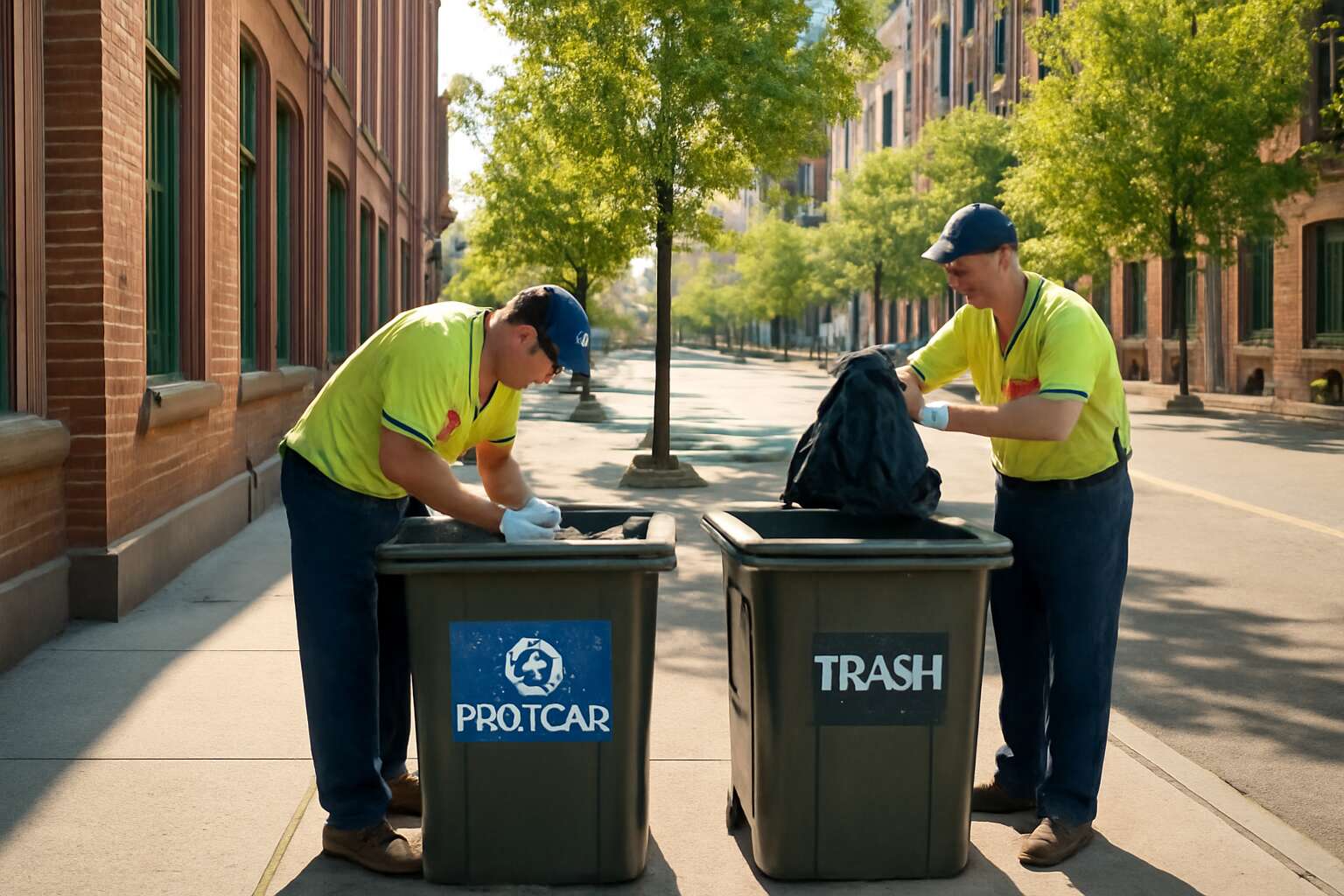
Waste isn’t trash—it’s a resource waiting to be redirected. Across South Africa, public waste management threads everyday life, from city lanes to rural routes, shaping health, pride, and the economy. The story isn’t solely about collection; it’s about turning waste into community value and resilience!
Municipal waste management blends policy with practice, balancing service reliability and community involvement. Local authorities steer contracts, set standards, and monitor outcomes; community leaders mobilize volunteers, schools, and small businesses to participate.
- Optimized route planning to reduce emissions and delays
- Accessible recycling hubs that invite participation
- Transparent reporting to build trust and accountability
The approach becomes a shared project between residents, councils, and enterprises, turning slogans into steady practice.
Waste collection and logistics for cities
For many South African streets, the problem isn’t the bin—it’s how it moves. public waste management becomes a choreography where fleets, crews, and communities align to cut emissions and keep neighborhoods vibrant. The payoff is more than clean lanes; it’s renewed trust and local pride.
- Shared data streams that reveal where waste travels and where gaps appear
- Neighborhood transfer hubs that shorten trips and balance loads
- Auditable service metrics that build trust without extra paperwork
From council chambers to school gates, the plan thrives when residents treat waste as a communal asset. I’ve seen street committees turn late-night cleanups into daily rituals, proving that small voices ripple through city logistics. This is public waste management in practice—policy, people, and a stubborn resolve to keep cities alive!
Waste processing and disposal methods
Public waste management in South Africa may not win fashion awards, but it keeps sidewalks clean and neighborhoods humming. “Waste is a resource in the wrong place,” a city planner quips, reminding that clever systems beat chaos.
Municipal and community pipelines across SA route waste to processing hubs where organics, recyclables, and residuals are separated. This leads to recycling streams, composting of green waste, and anaerobic digestion of kitchen scraps, reducing landfill pressure!
- Source separation and on-site sorting at transfer hubs
- Recycling streams fed by household, business, and industry waste
- Composting facilities for organics and green waste
- Anaerobic digestion with energy recovery
- Landfill gas capture and controlled disposal where needed
Disposal choices balance cost, emissions, and community pride, turning waste management into a shared responsibility rather than a distant bureaucracy.
Public engagement, policy, and metrics
Waste isn’t trash; it’s daily governance, and public waste management reveals the state of our streets at dawn.
In SA, public engagement, policy, and metrics are not buzzwords; they form a living contract with residents who want cleaner neighborhoods. Forums that listen and dashboards that show progress foster trust, and waste becomes a shared mission.
- Transparent KPI dashboards visible to communities
- Regular public forums and feedback channels
- Independent audits tied to policy reviews
Metrics translate sentiment into action, proving accountability can brighten streets without breaking the budget.

0 Comments