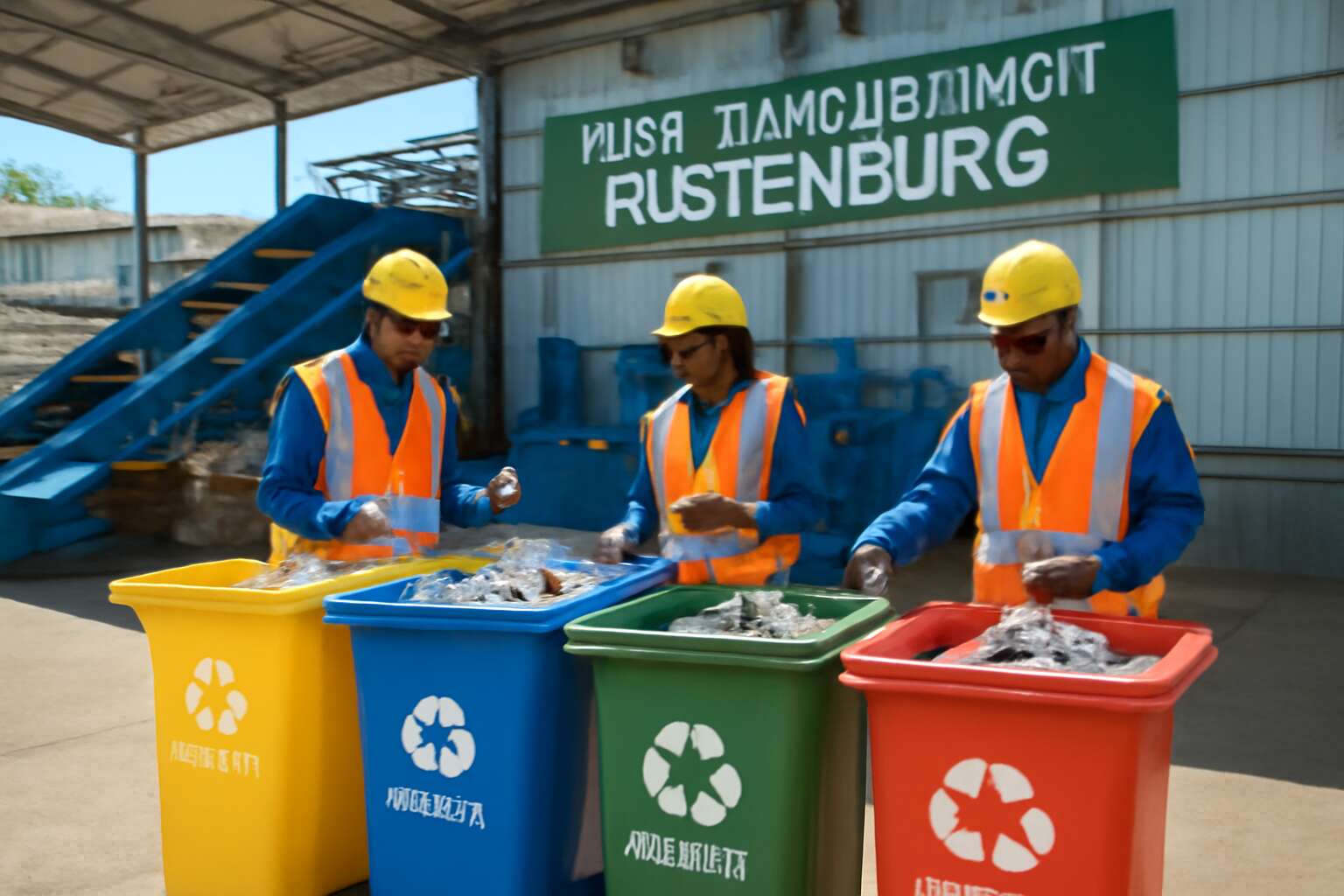
Waste Management Solutions in Rustenburg: Overview and Market Trends
Rustenburg waste management services overview
“Waste is a resource in the wrong place,” a Rustenburg facility manager reminds us, and the line lands with force in a city where industry hums and households spark daily life.
We offer integrated waste management rustenburg solutions that span collection, sorting, recycling, hazardous-waste handling, and compliant disposal. Our approach blends on-site audits with data-driven routing, turning every tonne into value rather than residue.
Market trends in Rustenburg show rapid adoption of circular practices, driven by municipal policy and corporate stewardship. To capture this shift, we emphasize partnerships, waste-to-resource workflows, and transparent reporting.
- On-site compactors and organised storage
- Material recovery facilities and recycling streams
- Real-time tracking and compliance documentation
From small enterprises to large plants, our waste management rustenburg programs fit local realities—mineral-rich, labor-conscious, and policy-forward. In this landscape, our approach becomes a competitive advantage when strategy aligns with community stewardship.
Residential, commercial, and industrial waste streams in Rustenburg
Rustenburg now turns over more than 1 million tonnes of waste each year, and that figure keeps climbing with industry and households in motion. Waste is no longer just a problem; it’s a resource waiting at the curb. Our approach treats every stream as value, not residue.
Residential, commercial, and industrial waste streams demand targeted handling. In Rustenburg, we map flow, separate organics, plastics, metals, and hazardous materials, and route them to the right streams. waste management rustenburg blends on-site audits with data-driven routing and transparent reporting.
To illustrate the mix, consider these common streams in Rustenburg:
- Residential: curbside organics, packaging, e-waste at source
- Commercial: office and retail waste, service packaging, kitchen waste
- Industrial: process residues, metal and plastics, hazardous-waste handling
These streams shape efficiency and compliance across Rustenburg’s diverse economy.
Regulatory landscape and compliance for Rustenburg waste management
Rustenburg is turning waste into momentum. The city now processes more than a million tonnes annually, and the pace only quickens as industry and households expand. Waste is an asset at the curb—an unseen resource waiting to be sorted, recovered, and reinjected into the local economy.
Within waste management rustenburg, the regulatory landscape acts as a vigilant guide. Licensing, permits, and transparent reporting shape every step, while local by-laws tighten controls on hazardous materials and chain-of-custody to safeguard compliance.
Market trends push toward a circular economy, where data-driven routing and on-site audits convert waste into measurable value. Organics, metals, and plastics gain new life through partnerships and better governance.
- Integrated data platforms for routing and reporting
- Enhanced licensing and compliance practices
- Robust on-site audits for continuous improvement
Choosing a waste management partner in Rustenburg: criteria and best practices
In waste management rustenburg, momentum grows where waste itself becomes a resource. The city currently processes more than a million tonnes each year, a testament to people and firms rethinking value. A single tonne reimagined becomes momentum that fuels local industry and community progress.
Choosing a partner hinges on three guiding criteria that keep the story tight and transparent:
- Transparent governance and clear reporting, ensuring traceability from source to recovery.
- Local integration with Rustenburg’s waste streams and facility partners for efficient routing.
- Proven outcomes in organics, metals, and plastics through collaborative governance and measurable impact.
Market trends verge on a circular economy, where real-time data and on-site audits translate waste into measurable value. Aligned partners turn data into decisions and waste into opportunity, buoyed by robust governance that serves the city and its people.
Sustainable waste management growth in Rustenburg: opportunities and trends
In Rustenburg, more than a million tonnes of waste are reimagined each year, a testament to people turning scraps into momentum. We witness this momentum as the heartbeat of waste management rustenburg, where circular thinking meets the factory floor and business growth!
Market trends point toward a tangible circular economy: real-time data, transparent audits, and partnerships that translate waste into measurable value for local communities and industry alike. Opportunities include:
- Organics diversion for compost and energy recovery.
- Metals reclamation that fuels local supply chains.
- Plastics sorting and resin separation feeding regional recycling streams.
Waste Collection and Disposal in Rustenburg: Best Practices
Waste collection services in Rustenburg: schedules, bins, and routing
In Rustenburg, optimized waste collection routes have slashed street litter by as much as 28% in pilot neighborhoods. This momentum is a testament to disciplined schedules, reliable bins, and the quiet elegance of efficient waste management rustenburg.
Waste collection services in Rustenburg hinge on predictable schedules and thoughtful routing. Bins are positioned for convenience, with clear labeling to reduce contamination, and routes are adjusted to seasonal surges so every curb feels cared for.
- Structured collection days aligned with community rhythms
- Color-coded, easy-to-interpret bins for separation
- Smart routing that minimizes fuel use and emissions
Disposal and downstream handling follow suit with emphasis on safe transfer and recycling streams, the way a city breathes in rhythm with its people. In the grand tapestry of waste management rustenburg, clean streets are a shared promise, not a solitary achievement.
Disposal options in Rustenburg: landfills, transfer stations, and recycling facilities
Rustenburg’s streets breathe easier when disposal choices are clear. In pilot zones, street litter fell by 28% as residents and crews fell into step with streamlined waste streams. This momentum is the heartbeat of waste management rustenburg.
Best disposal options in Rustenburg include landfills, transfer stations, and recycling facilities—each playing a different role in keeping the city tidy and sustainable. Landfills handle residuals within controlled conditions, transfer stations act as sorting and consolidation hubs, and recycling facilities give plastics, paper, and metals a second life.
- Landfills: engineered sites with leachate controls and daily cover.
- Transfer stations: centralized nodes for sorting, compacting, and routing efficiency.
- Recycling facilities: material recovery plants that divert recyclables from the waste stream.
Viewed together, these options form a practical architecture of responsibility in waste management rustenburg—an ongoing conversation between city, business, and citizenry.
Hazardous waste handling and safety compliance in Rustenburg
Rustenburg’s waste streams carry more than refuse — they carry responsibility. In the realm of waste management rustenburg, hazardous materials demand strict handling, clear labeling, and trained hands to keep neighborhoods safe and water sources clean.
Practices emphasize segregation, labeling, containment, tracking, PPE, and spill response as established norms within the sector.
Compliance is not a one-time check—it’s an ongoing discipline shared by residents, businesses, and waste managers. By aligning local procedures with South Africa’s regulations, the city becomes quieter and cleaner where every pickup and disposal move feels purposeful.
Circular economy and recycling programs in Rustenburg communities
Rustenburg’s waste isn’t just refuse—it’s a chorus of responsibility. In urban pockets, more than 40% of households now join local recycling drives, a statistic that lights up the city’s skyline of bins and bright ideas. The result is a city quietly rewriting what it means to manage what we throw away.
Waste collection and disposal in Rustenburg hinge on predictable schedules, clear labeling, and a robust recycling network. This is where the circular economy comes alive in communities, with organics, plastics, paper, and metals being kept separate at the source; local recycling facilities turning yesterday’s trash into tomorrow’s feedstock; and community-led drop-offs supporting reuse.
- Community drop-off points
- School and neighborhood recycling drives
- Buy-back centers and material banks
This whole ecosystem is the heartbeat of waste management rustenburg. With that rhythm, disposal options beyond the landfill—transfer stations, and certified recyclers—offer practical outlets for residuals. The aim isn’t drama but durability: quieter neighborhoods, cleaner waterways, and a future where every bin tells a purposeful story.
How to optimize waste collection routes for Rustenburg businesses
In Rustenburg, where more than 40% of households participate in recycling drives, waste collection becomes a quiet art—saving fuel, cutting emissions, and keeping streets brighter. Smart routing and predictable pickup windows are the drumbeat of efficient waste management rustenburg, and you can feel the difference at every curb!
- Data-driven zoning that respects commercial density and waste generation patterns, reducing unnecessary trips.
- Strategic consolidation points and transfer stations to curb cross-town miles while maintaining service continuity.
- Public-private collaboration that aligns labeling, bin color-coding, and driver routines for smoother flows.
These ideas frame a durable system, where every route is a thread in the city’s circular fabric—one that whispers efficiency rather than shouts disruption.
Industrial and Commercial Waste Management in Rustenburg
Industrial waste management solutions for Rustenburg factories
Industrial sites in Rustenburg are under pressure to curb waste costs while meeting strict standards. A plant manager once said, “Waste is money we can’t afford to lose.” That’s why waste management rustenburg partnerships are becoming essential for factory operations!
Industrial waste management solutions for Rustenburg factories focus on on-site sorting, compliant storage, and partner recycling.
- On-site waste segregation and storage design
- Hazardous and non-hazardous waste handling protocols
- Recycling and energy recovery partnerships
Programs are tailored to factories’ processes, aligning with South Africa’s regulatory landscape and tracking performance with clear dashboards. This is the core of sustainable industrial practice—the kind that keeps the lights on and the waste out of landfills.
By partnering with experienced operators, Rustenburg factories gain predictable costs and safer disposal, supporting the circular economy.
Food and packaging waste in Rustenburg: reduction and recovery strategies
In Rustenburg, factories hum with purpose and precision—the kind of place where waste becomes a negotiable asset. A plant manager once said, “Waste is money we can’t afford to lose,” and that blunt truth now steers how food and packaging waste is managed here.
Waste management rustenburg strategies focus on in-house sorting, secure containment, and smart partnerships that recover value from every scrap. This is waste management rustenburg in action: a disciplined, data-driven approach that respects both the bottom line and the planet.
- In-house sorting and secure containment
- Collaborations with recyclers and composters
- Energy recovery and by-product valorization
These programs stay aligned with South Africa’s policy environment, supported by dashboards that trace performance and keep waste streams from becoming liabilities.
Hazardous and non-hazardous waste segregation in Rustenburg facilities
Rustenburg’s factories hum with purpose, turning every scrap into value. In these plants, waste moves through a disciplined cycle, proving that responsibility and profit can align. This is waste management rustenburg: a story of dashboards, discipline, and a bottom line that respects people and the land.
Hazardous and non-hazardous streams are segregated at the source, then kept in secure containment. Clear labeling, trained staff, and auditable processes minimise risk and keep facilities compliant.
Key segregation practices include:
- Labelled containment for hazardous waste with auditable chain-of-custody
- Separated storage areas and colour-coded bins for non-hazardous waste
- Regular staff training on spill response
What separates successful operations is a culture that treats waste as data and duty—not as a nuisance. It becomes resilience and a quiet pledge to workers and the land we share.
On-site waste processing and compacting in Rustenburg industrial sites
Industrial and commercial waste management in Rustenburg is evolving as factories lean into on-site processing. ‘Waste is data,’ explains a plant supervisor, and the goal is to shrink waste volume through compacting and shredding, cutting haulage costs and emissions, and upholding accountability in waste management rustenburg.
On-site processing helps plant teams manage material streams with precision and accountability.
- On-site shredding and baling to reduce bulk and improve handling
- Drying and compacting in sealed bays to minimize odor and leaks
- Specifically designed containers for segregated outputs to simplify recycling
Beyond the machinery, this approach shapes a culture where safety, efficiency, and transparency travel together, proving that compacted waste can still carry a message about responsibility to people and the land.
Compliance, reporting, and audits for Rustenburg industrial waste
In Rustenburg’s industrial corridors, compliance is not a checkbox; it’s how operations breathe. Waste management rustenburg demands precise reporting trails that connect production realities to environmental accountability, turning data into decisions and audits into steady progress.
For on-site teams, this means rigorous waste tracking, batch-level records, and timely regulatory submissions. Audits reveal gaps before regulators do, and reporting dashboards translate complex streams into clear narratives for leadership and stakeholders.
- Internal compliance reviews and corrective action plans
- Third-party audits and verification of waste streams
- Transparent incident logging and root-cause analysis
This disciplined rhythm reinforces the rustenburg ethos and lifts the industrial ecosystem toward safer, cleaner operation.
Sustainable Practices and Community Impact in Rustenburg Waste Management
Recycling and upcycling initiatives in Rustenburg neighborhoods
Across Rustenburg, sustainable practices illuminate quiet streets and lively markets alike. What a transformation to witness! In districts where litter once lingered, neighborhood cooperatives thread circular habits into daily life. Within waste management rustenburg, small acts compound into durable change that benefits households, small businesses, and local ecosystems.
- Community compost hubs turning kitchen scraps into nutrient-rich soil for urban gardens
- Upcycling centers that transform discarded plastics and metal into usable objects
- Repair cafés and clothing swaps that extend life cycles of everyday goods
These efforts ripple through the city, creating new local jobs, volunteer culture, and a shared sense of pride. In Rustenburg neighborhoods, sustainable waste management rustenburg practices become a daily celebration, proving that mindful handling of refuse can spark wealth of opportunity and environmental stewardship.
Waste-to-energy opportunities in Rustenburg: feasibility and policy
Rustenburg isn’t merely a mining outpost; it’s a city quietly reconfiguring its waste into watts. South Africa generates roughly 120 million tonnes of waste each year, and Rustenburg has started flirting with waste-to-energy as a pragmatic thread in the urban fabric. Feasibility hinges on policy alignment, capital appetite, and grid readiness, with waste management rustenburg at the center of this evolving dialogue.
Community impact goes beyond meters and metrics: local cooperatives, markets, and neighbourhoods are beginning to see waste as a resource rather than a nuisance. This is the heart of waste management rustenburg—the conversations, the pilots, the stubborn optimism that cleaner streets can coexist with vibrant commerce.
- Policy alignment and regulatory clarity
- Funding models and public-private partnerships
- Local skills development and job opportunities
Community education and engagement in Rustenburg waste reduction
Rustenburg glows with a quiet revolution: waste becomes knowledge and value in everyday life. Sustainable practices take root when communities see waste as a resource—turning bottles into art, organics into soil, and conversations into actions. Community education and engagement in Rustenburg waste reduction are no longer abstract goals but living routines that fuse schools, neighborhoods, and markets in South Africa.
- Local schools host hands-on recycling labs and waste literacy workshops
- Neighborhood compost hubs turn kitchen scraps into rich soil
- Repair and upcycling exchanges connect residents with affordable, unique goods
This tapestry of sustainable practice strengthens waste management rustenburg, inviting residents to participate, inspiring cleaner streets, and quietly fueling local economies.
Vendor and supplier sustainability requirements for Rustenburg waste programs
Rustenburg’s streets hold a quiet revolution: waste reimagined as value. In a recent community snapshot, 40% of households report active sorting at the source, turning bottles into opportunity. This momentum is sharpened by Vendor and supplier sustainability requirements for Rustenburg waste programs, making partnerships about people, planet, and profit. This is waste management rustenburg, earnest and alive.
Sustainable practices cascade through the supply chain, where vendors commit to accountability and local impact. Key expectations from partners include:
- Certified sustainability reporting and material traceability
- Local sourcing and circular supply chains
- Open waste-flow documentation and routine audits
Residents feel the change: cleaner streets, revived markets, and schools inviting youth into hands-on learning. waste management rustenburg becomes a social contract, stitching neighborhoods together around reuse, repair, and shared stewardship!
Measuring impact: KPIs and reporting for Rustenburg waste management programs
In Rustenburg, a quiet revolution stirs: 40% of households now sort at the source, turning bottles into opportunity and waste into wonder. This momentum shapes sustainable practices across the supply chain—where vendors, residents, and local shops collaborate in a shared rhythm that is practical, hopeful, and alive—waste management rustenburg.
Key KPIs and reporting benchmarks guide this progress. For waste management rustenburg, transparency is the compass that keeps partnerships honest and communities informed.
- Diversion rate: tonnes diverted from landfill through recycling and composting
- Contamination rate at source and sorting accuracy
- Reporting timeliness, data reliability, and stakeholder visibility
Residents feel the change: cleaner streets, revived markets, and schools inviting youth into hands-on learning. A living contract emerges, stitching neighborhoods around reuse, repair, and shared stewardship—where every measured outcome brightens the next attempt.

0 Comments