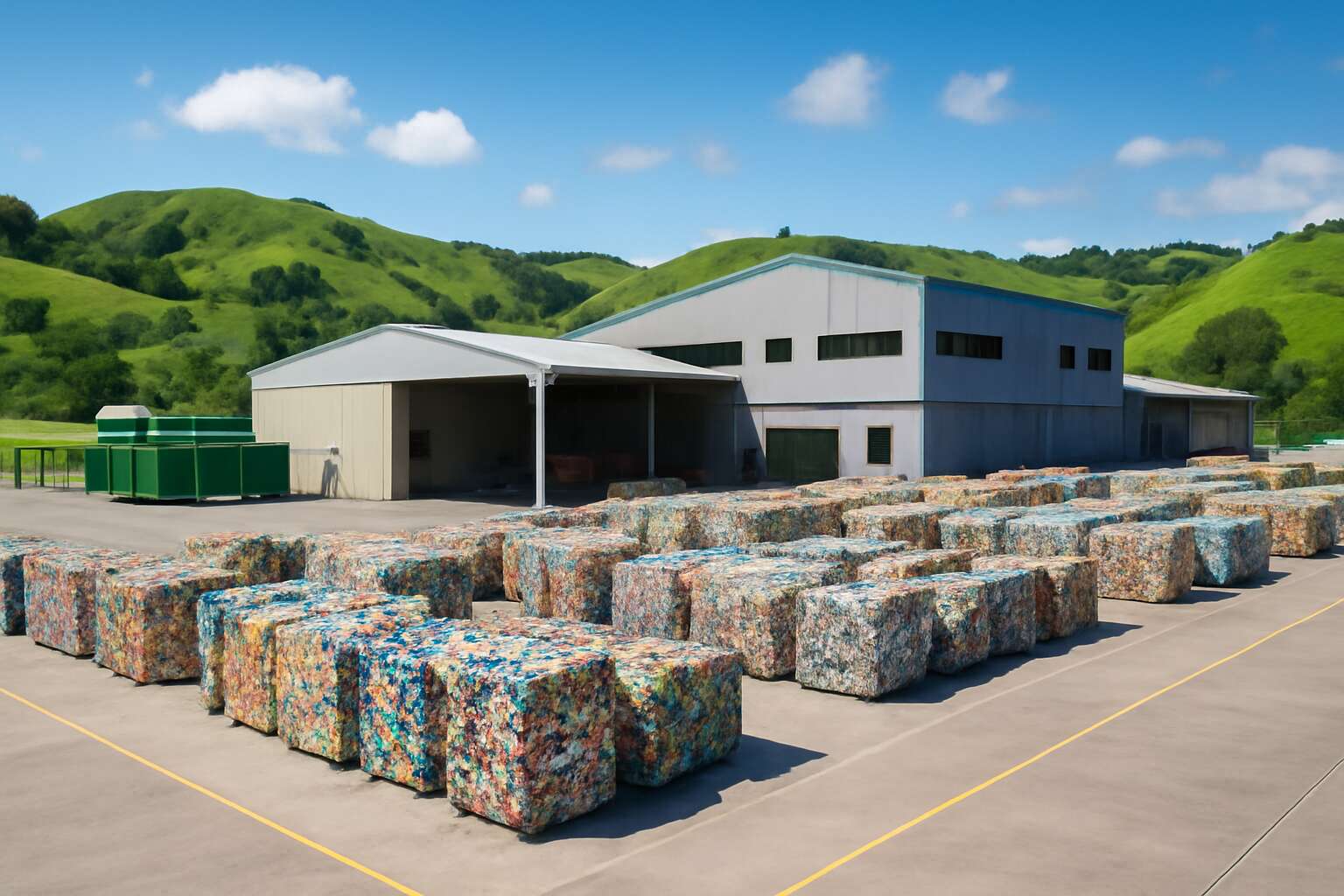
Waste management landscape in New Zealand
Current waste trends in New Zealand
New Zealand’s waste management landscape is shifting from catch-all disposal to deliberate design. Municipal and private partners are embracing smarter sorting, resource recovery, and leaner landfills, a quiet shift that recalibrates budgets and reputations alike. Pragmatism wears a more discerning smile as data charts the way.
The trend in waste management new zealand now features robust product stewardship, organics capture, and construction-waste recycling. Current waste trends in New Zealand point to higher recycling participation in cities, growing composting networks, and smarter materials data driving better decisions. The result is less waste, more value, and a cleaner profile for the economy.
- Product stewardship and extended producer responsibility (EPR)
- Expanded organics and composting programs
- Construction and demolition waste recycling
- Data-driven waste governance and transparency
For South African readers, these shifts hint at opportunities in packaging design, cross-border partnerships, and sustainable procurement that respect both efficiency and reputation—while keeping the conversation human and stylish.
Key waste streams across regions
New Zealand’s waste management landscape is not a single city phenomenon—it’s a regional symphony that keeps auditors awake and composters busy. Across urban hubs, organics capture and sorting are gaining ground, while Canterbury and the upper South Island lean into construction and demolition recycling as projects come online. Data-sharing dashboards steer budgets toward reuse and smarter procurement. In the waste management new zealand landscape, the focus shifts from dumps to design, with regions tailoring the mix to local waste streams.
- Urban hubs expand organics capture and at-home sorting
- Canterbury and the South Island emphasize demolition waste recycling
- E-waste collection and refurbishing networks grow regionally
- Packaging and plastics streams are becoming smarter to sort
From city cores to coastlines, regional dynamics sketch a practical blueprint for smarter packaging, cross-border partnerships, and sustainable procurement that balance efficiency with reputation. For readers in South Africa, these signals feel familiar and actionable.
Waste infrastructure and service delivery in NZ
New Zealand’s waste management landscape is not a static map but a living network of towns, councils, and communities. Nearly half of municipal waste is diverted from landfills through organics and recycling channels, a telling sign of a system rewriting its own rules. For South Africa readers, waste management new zealand shows a move from dumps to design, with local choices shaping regional outcomes.
I see infrastructure leaning into regional collaboration, smarter sorting facilities, and data dashboards that steer budgets toward reuse and smarter procurement. At home, sorting becomes a civic habit as councils expand access to transfer stations.
- Regional councils coordinate curbside recycling and regional transfer stations
- Digital dashboards track material flows, enabling smarter procurement decisions
- New organics processing and construction and demolition recycling capacity comes online
Opportunities for innovation in NZ waste management
“The best waste is the waste you never create,” quips a council clerk, and New Zealand treats that as policy. In this living network, waste management new zealand is less a map and more a craft of circular ideas and stubborn optimism.
Opportunities emerge at the margins: design for circularity, stronger producer responsibility, and the reclamation of construction sites as material banks. For South African readers, the Kiwi approach favors patient pilots and regional pragmatism over grand schemes.
Key levers in practice include:
- Design for disassembly and recyclability
- Extended producer responsibility for electronics and packaging
- Salvage-ready construction and demolition waste routing
As waste management new zealand grows as a living template, it invites cross-border conversation and shared ambition—proving that clever policy and community buy-in can outpace the landfill.
Regulatory framework and policy in New Zealand
National waste legislation overview
“Policy matters,” and it’s the backbone of waste management new zealand, a stubborn friend that keeps producers honest and councils accountable. The regulatory framework treats waste as a resource, not a forgotten landfill guest, guiding who handles what, when, and where.
Key pillars include:
- Waste Minimisation Act 2008 — encourages reduction at source and sets waste reduction targets.
- Product Stewardship Act 2002 — producer responsibility for post-consumer packaging and appliances.
- Local WMMPs — every district crafts plans to reduce waste and boost diversion.
These tools are complemented by funding, regulatory levers, and collaboration between MfE, the EPA, and local councils.
In practice, this framework nudges business and households toward waste-to-resource thinking without stifling innovation.
Product stewardship and producer responsibility schemes
Policy matters stay the quiet engine behind New Zealand’s waste economy—and for South African readers, the lesson is clear: accountable policy nudges producers toward smarter design. In New Zealand, the regulatory framework treats waste as a resource, not a forgotten landfill guest. The backbone comes from the Waste Minimisation Act 2008 and the Product Stewardship Act 2002, which set expectations and targets, while Local WMMPs localize action. Regulators MfE and the EPA coordinate funding, levers, and collaboration with councils, turning bold commitments into practical moves within waste management new zealand.
- Extended producer responsibility (EPR) schemes for packaging and appliances
- Clear product stewardship obligations guiding who handles what
- Local government alignment through WMMPs and funding levers
This framework keeps waste in the economy—turning packaging and appliances back into resources—and invites South African businesses to treat policy as a partner in circular thinking. It offers a simpler path for innovation through clear roles and shared incentives in waste management new zealand.
Local government roles and regional variations
Policy nudges, not penalties, guide the waste economy, turning waste into resource and not a forgotten landfill guest. In New Zealand, clever rules steer design and reuse.
Local government bears the living map: WMMPs (Waste Management and Minimisation Plans) translate broad aims into local action, while MfE and the EPA coordinate funding levers, guidance, and practical oversight, stitching policy to on-the-ground delivery.
Regional variations reflect urban density, transport networks, and industry mix, demanding tailored WMMPs from councils—urban hubs sprinting toward sorting infrastructure, while rural districts nurture community recycling initiatives. Key levers include:
- Local WMMP alignment
- Regional funding and partnerships
- Cross-boundary service planning
For South Africa’s readers, the emphasis on local leadership and policy alignment in waste management new zealand reads like a practical compass—inviting design with purpose and measurement, in concert with industry and communities!
Standards and compliance for waste facilities
In waste management new zealand, policy is a living contract that guides every facility from design to closure. “Policy without practice is empty,” a regulator once said, and the sentiment sticks. This framework makes compliance feel purposeful, not punitive.
- Resource Management Act: consented operations and regional planning
- Waste Minimisation Act: waste levy and product stewardship
- HSNO and environmental standards: safety and risk controls
Monitoring, licensing, and audits tie national expectations to local realities, with MfE and the EPA coordinating guidance and oversight. Facilities rely on recognized processes and ongoing verification to demonstrate responsible waste handling. That credibility anchors waste management new zealand.
For South African readers, the lesson is steadfast alignment of law, local action, and transparent reporting—no shortcuts, just steady, measurable progress.
Waste reduction, diversion, and circular economy initiatives
Household waste reduction and recycling programs
Waste isn’t a grim inevitability in New Zealand; it’s a design problem that invites clever, humane habits. In waste management new zealand, households are pushing diversion from landfills through smarter sorting and home composting, turning what would be waste into feedstock for gardens and communities.
Households are embracing practical moves that quietly upend old habits:
- Home composting and worm farming to turn scraps into soil
- Dedicated recycling streams and upcycling at home to extend product lifecycles
- Deposit-return and reuse schemes for beverage containers to close loops
From a South African vantage point, New Zealand’s emphasis on household waste reduction and recycling programs offers a relatable blueprint—proof that policy and daily choices can co-author a cleaner future, step by deliberate step.
Organic waste management and composting solutions
A striking stat lingers: up to a third of household waste could drift away from landfills with smarter sorting and community resolve. For South Africans, that statistic is not a warning but a toast to possibility—a mirror of daily choices becoming larger outcomes. waste management new zealand shows how design, not despair, can turn kitchen scraps into future soil and curbside renewal.
Waste reduction, diversion, and circular economy initiatives push beyond cleanup toward cradle-to-cradle flows. Organic waste management and composting solutions transform scraps into soil, supported by municipal organics streams and anaerobic digestion that capture energy and nutrients.
I watch these ideas travel across oceans, and I feel them land softly in South Africa’s cities. The NZ model shows that policy and daily practice can co-author a cleaner future, one deliberate step at a time. I am hopeful!
Construction and demolition waste minimisation
Trash isn’t fate—it’s fuel in disguise. Waste reduction, diversion, and circular economy initiatives are reshaping construction and demolition practices, with South Africa watching NZ’s playbook closely. In waste management new zealand, minimisation starts at design: modular systems, off-site fabrication, and design for disassembly turn potential waste into usable stock. The result? fewer dump-sites, cleaner planners, and material streams that loop rather than leak away. It’s practical, not preachy—a blueprint where policy meets everyday on-site action.
- On-site waste triage and sorting to separate concrete, timber, metals, and plastics
- Salvaging and reusing materials through deconstruction rather than demolition
- Designing for disassembly and modular construction to maximise reuse
- Procurement of recycled-content products and local material markets
Keeping the momentum means embracing a culture where every screw has a second life.
Food waste reduction strategies and landfill diversion
Staggering yet undeniable: up to one third of all food produced worldwide is wasted, a drain on budgets and climate alike. In waste management new zealand, food waste reduction strategies are reshaping landfill destinies, turning discarded meals into usable stock rather than disposal fuel.
- Food rescue and redistribution networks
- On-site processing and composting
- Procurement of imperfect or surplus produce
Landfill diversion depends on measurement and collaboration across supply chains; when streams loop, soil health and costs both improve without sacrificing growth. For South Africa, the NZ example offers a blueprint that blends ambition with practical on-site action and community engagement.
Circular economy projects and NZ case studies
Across the windswept shores of New Zealand, waste is not a problem but a resource waiting to be reimagined. In this landscape, waste management new zealand is quietly rewriting city maps with circular economy threads: materials loop back into products, nutrients feed soils, and energy rises from what was once rubbish. A luminous shift is underway: every bottle, crate, and failed harvest becomes a second life in a warmer, more resilient economy.
- Community composting networks turning scraps into soil
- Urban organics collections feeding anaerobic digestion
- Construction material upcycling in regional hubs
These NZ case studies glow as practical lanterns for communities and businesses alike, showing that collaboration across supply chains turns waste streams into value. In South Africa, the same logic can spark local pilots that connect farmers, retailers, and recyclers in a shared, restorative loop.
Industry case studies and best practices in New Zealand
Municipal waste management success stories
Across New Zealand, municipal programs show that practical, people-centered waste management delivers real results. In waste management new zealand, communities that invest in partnerships with schools, local businesses, and residents see waste diverted from landfills through everyday choices and resilient systems.
- Cross‑sector partnerships that align councils, business, and iwi.
- Data-driven routing and real-time monitoring to cut missed pickups.
- Public education that reframes reuse, repair, and responsible disposal.
- Local processing facilities that shorten transport and create jobs.
These stories are more than numbers; they’re people choosing stewardship, day after day. They remind us that sustainable change begins in neighbourhoods and stretches outward, shaping policies and practice with every decision. For South African municipalities, these lessons offer a blueprint for community-led resilience.
Private sector partnerships for waste-to-value
Across the industry, a bold shift is underway: when private players and public bodies align, waste becomes value. A sector-wide pulse estimates cross-sector partnerships lift recoverable value by about 30% over five years. In waste management new zealand, these collaborations turn production scraps into design futures, with manufacturers, councils, and recyclers weaving closed loops together.
- Co-located sorting and processing hubs cut transport mileage and emissions
- Joint R&D on circular design and product stewardship keeps materials in use
- Shared data platforms and transparent KPIs drive real-time routing and accountability
From bustling ports to quiet town streets, the human theater of partnership writes its own story. I’ve watched teams unite to reroute streams, compress logistics, and cheer as a local facility hums with opportunity. For South Africa, the NZ blueprint shines—practical, people-centered, and unafraid to dream big!
Waste-to-energy pilots and projects
New Zealand’s waste-to-energy pilots are turning waste into watts, and the numbers speak with blunt efficiency: energy recovery across projects has climbed by about 30%. “We’re not just diverting trash; we’re designing energy!” says a plant manager with the dry wit of a veteran engineer. This is a compelling chapter in waste management new zealand—and the lessons travel well to South African municipalities hungry for cleaner, smarter energy.
Industry case studies show three practical strands that work: biogas upgrading to grid-ready electricity, close industry partnerships to secure feedstocks, and rigorous performance dashboards that keep uptime honest. For South African readers, these pilots offer a reproducible blueprint that fits tight budgets and evolving regulations, without heroic promises or capricious incentives.
- Biogas upgrading to grid-ready energy for regional networks
- Feedstock partnerships with local agriculture and food sectors
- Emissions monitoring and transparent performance metrics
Waste education and community engagement programs
Fact: in the most successful NZ education programs, community ownership drives outcomes; one regional campaign lifted recycling rates by double digits within a year. The key is storytelling that respects local voices and translates data into tangible daily choices. This is waste management new zealand in action — learning that education and engagement are infrastructure too.
- Co-design campaigns with local communities, iwi, and schools to ensure relevance
- Transparent reporting and public dashboards that show progress and setbacks
- Community waste audits and visible results that celebrate improvements
These approaches offer a quiet philosophy for South African municipalities seeking cleaner engagement without hype.


0 Comments