Identifying Waste Streams in Projects
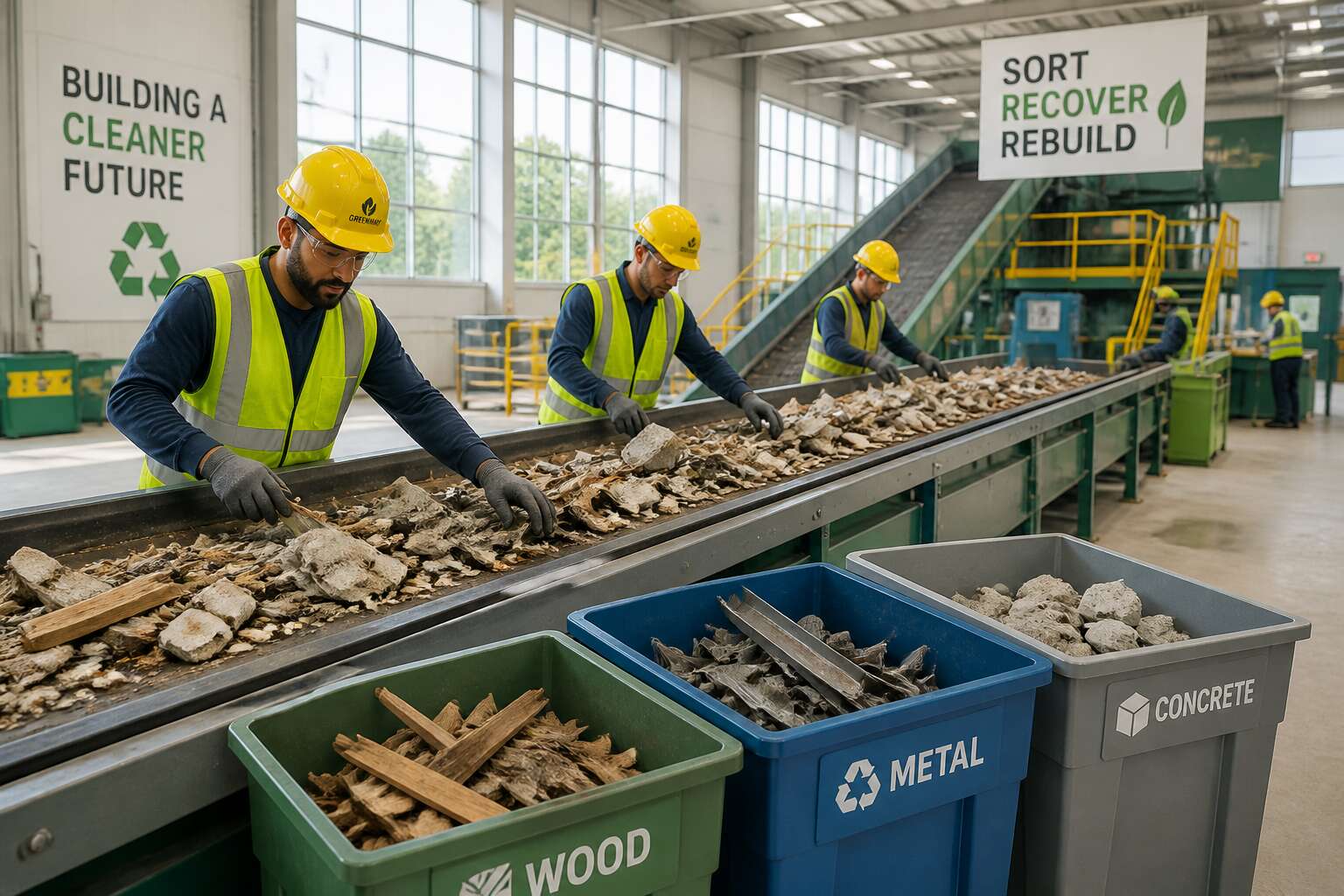
Every construction site tells a story, but the most interesting chapters are found in the trash. Before you can divert a single brick from the landfill, you have to understand exactly what you are working with. Ignoring the composition of your debris is a costly mistake. It turns a manageable phase into a scheduling nightmare.
Waste streams vary wildly depending on your specific discipline. A demolition project whispers a different tale than a greenfield residential build. That is why your initial audit matters. You need to look beyond the obvious rubble and hazardous paint tins.
Consider the often overlooked categories that clog up your bins:
– Organic matter from land clearing.
– Packaging materials, which are often clean and recyclable.
– Mixed metals with high salvage value.
– Treated timber that cannot be repurposed.
Once you have physically sorted through these elements, the path forward becomes clearer. You can match the volume of each stream to a specific disposal route. This proactive approach prevents that dreaded Sunday night panic when the skip arrives with the wrong load. Ultimately, effective waste management for project success hinges on this early identification. Getting it right here simplifies the entire demolition, excavation, and recycling process. This is where the true cost savings are locked away.
Developing a Project Waste Management Plan
Construction sites across Johannesburg generate over 40% of the country’s landfill waste. That statistic unsettles me every time I see a skip brimming with reusable timber. A robust waste management for project begins with a clear-eyed audit, not a vague promise. You must catalogue every material stream, from concrete rubble to packaging. This forensic approach reveals hidden value.
I have watched teams save thousands by segregating on site. The waste management for project itself needs three pillars:
- Source separation with labelled bins
- Tracking manifests for each load
- Approved recyclers within 50 kilometres
Without these, your project becomes a landfill contributor despite green intentions. It demands daily checks, not quarterly hopes.
Waste Reduction and Recycling Strategies
Across South Africa’s rural landscapes, waste piles up where the earth meets the road. Simple daily habits can alter this pattern. Waste management for project teams often overlooks the simplest truth: reduction comes before recycling.
Start by asking what you truly need. Buy in bulk, choose reusables, compost organic scraps. For the waste that remains, separate it at the source. I have seen villagers reduce their waste with these exact steps! Communities benefit when they share collection points and repair workshops.
- Use glass jars instead of plastic bags
- Fix broken tools rather than discarding them
- Trade or donate unused items
These small acts multiply. They bring dignity to rural homes and protect the veld for future generations.
Managing Hazardous and Special Waste
Every year, South Africa generates millions of tons of hazardous waste, and most of it flows from construction and industrial sites. Tossing this material into a regular bin is not an option. It requires segregation, labelling, and traceability.
When building a waste management for project, you must account for special categories like asbestos, oil-contaminated soil, and chemical residues. These items demand dedicated handling protocols:
- Identify the waste stream before any demolition starts.
- Use certified transporters for dangerous loads.
- Keep manifests on site for every disposal.
I have seen projects stall for weeks simply because someone skipped the paperwork. The penalties are steep, and the environmental damage is permanent. That is a price no project should pay!
Measuring, Reporting, and Improving Performance
South Africa produces more than 40 million tonnes of waste per year, and your project is part of that number. If you think waste management for project is just hiring a skip, think again! The real challenge starts when you count what you discard.
Measure every bin and every load. Record weights, material types, and pickup dates. I have seen project managers skip this step, then wonder why budgets rise. Without solid data, your decisions are pure guesswork.
- Weigh waste on each collection day
- Log recyclable fractions separately
- Note any unexpected spikes
Report these figures to your team with complete honesty. Then examine the patterns. If glass waste triples in a week, trace it to a supplier issue. Improve by adjusting your procurement or sorting process. That turns numbers into action.


0 Comments