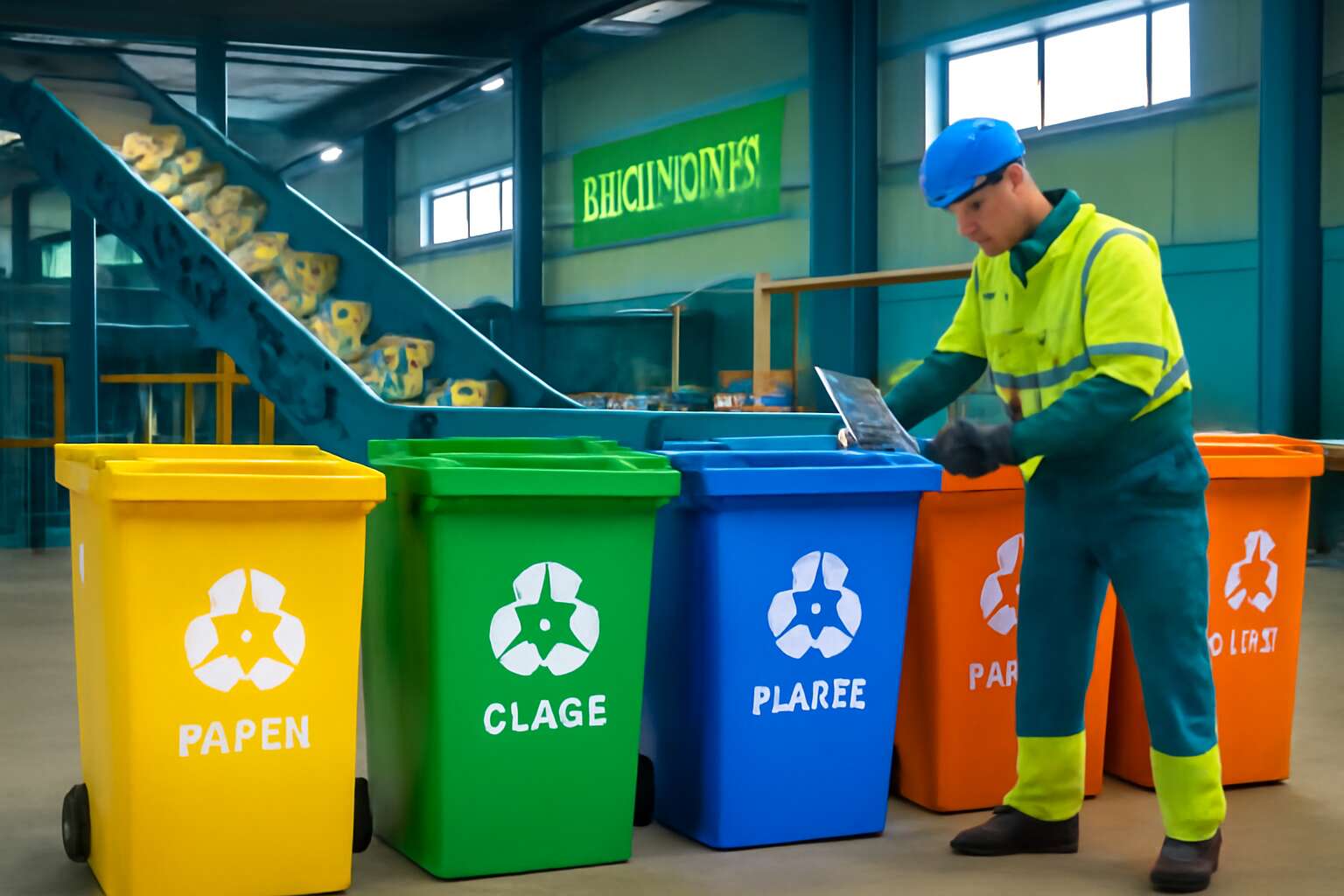
Comprehensive outline for Waste Management Systems
Overview and Definitions
“Waste is a resource in disguise,” a crisp reminder that the landscape of waste is a system, not a byproduct. This makes the question practical: what is waste management system, and how does it shape South Africa’s cities, businesses, and households? A coherent view links collection, sorting, recycling, and disposal into one accountable loop that minimizes harm while maximizing value.
The outline below follows a practical, SA-relevant path:
- Collection and transport of waste to processing facilities
- Sorting and material recovery at source and depots
- Recycling, composting, and material reuse
- Treatment and energy recovery where appropriate
- Safe disposal and land-use planning
- Governance, policy, and data management
Definitions stretch beyond bins, embracing the lifecycle from generation to disposition. In South Africa, a waste management system is a structured network turning waste streams into resources while upholding health and environmental standards—with a dash of pragmatism and a wink at future resourcefulness.
Types and Models of Waste Management
Waste is the most predictable resource you’re not using. In South Africa, cities pursue resilience through a framework that treats waste as a strategic asset rather than a problem.
A comprehensive outline includes several models:
- Centralised municipal collection and processing
- At-source sorting and depot-based material recovery
- Extended Producer Responsibility and product stewardship
- Pay-as-you-throw and performance-based funding
- Energy recovery and composting where feasible
In SA, the best results come from hybrid approaches that blend accessibility with separation at source, to lift recycling while protecting public health. Understanding what is waste management system means linking governance to on-the-ground action and shaping a loop that turns waste into value.
Technology and Tools in Waste Management
In South Africa, the digital loom behind waste management hums with promise. “Waste is capital waiting to be recycled,” a city official proclaimed, and that spark threads daily operations into a living, evolving orchestra of consequence.
- Smart bins with fill-level sensors
- RFID and barcode tracking across streams
- AI-powered optical sorters for sharper separation
- Digital dashboards for route planning and reporting
These tools translate data into decisive action, guiding routes, sorting lines, and policy into practice. Consider what is waste management system when governance meets ground action, turning waste into value across cities and towns.
Implementation and Compliance
Cities breathe when governance and ground action share a single map. The outline for Waste Management Systems Implementation and Compliance reads like a living blueprint—turning waste into value and policy into practice. “Waste is capital waiting to be recycled,” a city official proclaimed, and that spark threads every decision with purpose. In South Africa, this fusion stirs smarter budgets and cleaner streets.
- Policy and governance alignment with South African laws (NEMA Waste Act, municipal by-laws) and cross-department coordination.
- Digital backbone and data governance with interoperable data models, privacy safeguards, and data stewardship.
- Compliance, risk management, and auditing frameworks, including reporting cycles and certifications.
- Stakeholder engagement and capacity building to nurture community buy-in and change management.
- Budgeting, procurement, asset lifecycle planning, and sustainable financing models.
This is the practical lens on what is waste management system when policy and practice fuse into resilient urban ecosystems across South Africa.
Measuring Impact and Future Trends
“Waste is capital waiting to be recycled,” a city official proclaimed. In South Africa, measuring what is waste management system means tracking not just collection routes but the metamorphosis of waste into value across neighborhoods, campuses, and townships. A comprehensive framework measures impact through data-driven indicators—diversion rates, lifecycle emissions, and the social value of jobs created—turning policy into measurable outcomes.
Key metrics to watch include the following:
- Diversion rate and residual waste
- Lifecycle greenhouse gas emissions and energy recovery
- Service coverage, user engagement, and cost per tonne
Looking forward, digital backbones, AI for route optimization, citizen science reporting, and extended producer responsibility will shape what is waste management system in practice. In South Africa, cross-sector collaboration and smart financing unlock resilient urban ecosystems.


0 Comments