Overview and scope of waste management systems
Definition and scope of waste management systems
Across South Africa, waste piles up faster than a buzzworthy meme, yet solid waste management offers a blueprint to turn that nuisance into cleaner streets and real opportunity. It’s a field where policy, technology, and community action collide—producing jobs, lower disease risk, and a future that doesn’t smell like last week’s leftovers.
Definition and scope: Waste management systems are structured pathways that govern how waste is produced, collected, processed, recycled, and disposed of, with a focus on public health, environmental protection, and resource recovery.
Scope covers generation, collection, sorting, treatment, and final disposal, balancing safety, cost, and local regulations.
- Generation and source separation
- Collection and transportation
- Sorting, recycling, and processing
- Treatment, energy recovery, and disposal safeguards
In South Africa, these solid waste management systems must integrate the informal sector, municipalities, and local communities to truly function.
Key components and stakeholders
Across South Africa, millions of tonnes of waste surge through streets every year, a stubborn signal of urban life that demands more than cleanup. “Waste is wealth when guided by care,” a street philosopher reminds us, and solid waste management turns that wealth into cleaner streets and safer neighborhoods.
The overview emphasizes planning, governance, and partnerships that bind data, funding, and facilities into a functioning cycle. Key components and stakeholders form the backbone of solid waste management: data-driven planning, physical infrastructure, and inclusive governance structure that brings municipalities, informal waste workers, residents, and industry into common purpose.
- Municipal authorities and regulators
- Informal waste workers and recyclers
- Residents and local businesses
- Public-service providers and waste facilities
- Environmental NGOs and research partners
Together, they turn waste into opportunity and dignity.
Benefits and public health impact
In South Africa, a tide of waste sweeps along urban edges, turning sidewalks into a living chorus. “Waste is wealth when guided by care,” a street philosopher says, and solid waste management channels that wealth into cleaner streets and safer neighborhoods.
Overview and scope hinge on planning that fuses data with service delivery, and on governance that invites municipalities, informal waste workers, residents, and industry to a shared mission. From street-level collection to regional recovery facilities, the framework binds funding, policy, and infrastructure.
- Cleaner streets, reduced fly-tipping, and safer neighborhoods
- Formalization of informal waste work and job opportunities
- Increased material recovery and reduced landfill pressure
From my view, these systems shield public health—reducing disease vectors, improving air and water quality, and lifting community well-being through cleaner environments and safer neighborhoods.
Challenges and opportunities in implementation
“Waste is wealth when guided by care,” a street philosopher says, and in South Africa’s cities that idea is more than poetry—it guides policy. The overview and scope of solid waste management blend data-driven planning with service delivery, and governance that invites municipalities, informal waste workers, residents, and industry to a shared mission. From street-level collection to regional recovery facilities, funding, policy, and infrastructure must move in step.
Challenges and opportunities in implementation ride the same railway car. Financing gaps and bureaucratic snags test resilience, while formalizing informal labor, embracing data, and building circular links offer real upside.
- Innovative financing aligned to service outcomes
- Formalizing informal waste workers
- Data-backed routing and transparency
Done right, these systems create resilient cities that weather waste shocks, attract investment, and empower communities to own their clean streets—while aligning with global climate and circular-economy ambitions. In South Africa, solid waste management is less a duty and more a lever for urban renewal.
Waste streams, generation, and classification
Waste streams and classification
“Waste is the silent economy of a modern city,” a line I keep in mind as we trace trash from curb to compost. In South Africa, the streams of waste reveal how households and industries intersect, shaping the possibilities of solid waste management across urban and rural pockets alike.
Waste streams arise from daily life and industrial activity, and they must be classified by how they behave in the system. They can be grouped as:
- Organics (food scraps, yard trimmings)
- Recyclables (paper, plastics, metals, glass)
- E-waste and hazardous materials
- Construction and demolition waste
Generation patterns vary with season, sector, and wealth, yet classification rules remain constant: separate hazardous from non-hazardous, and recyclable from non-recyclable. When streams are misaligned, value is lost and disposal costs rise—the sad chorus of a waste-prone economy and a reminder of why solid waste management matters.
Generation drivers and data collection
Across South Africa, the daily tally of waste maps our choices—and the land remembers every curbside decision. Generation follows season and sector, yet urban growth, shifting consumer habits, and construction booms drive volumes higher. Generation drivers include:
- Population growth and urbanization
- Economic activity and consumer demand
- Seasonal patterns and tourism
To turn this stream into value, data collection must be precise and ongoing—an inward lighthouse guiding every street-level decision. Municipal teams and researchers map flows at the curb, weigh waste at transfer stations, and run composition studies to reveal what the city discards and where it should go next. In this way, solid waste management becomes a living, collaborative map of our shared future.
Hazardous and non-hazardous waste distinctions
Across South Africa, waste streams rise and fall with the tides of population, urban growth, and seasonal bustle. Generation drives the volume, while the art of sorting reveals the treasure concealed in everyday discards. The task is clear: trace the source, follow the journey, and shape a system that keeps streets safe and communities thriving. This is solid waste management in action—a living map of our shared habits and a beacon for smarter city living.
- Hazardous: solvents, paints, batteries, pesticides
- Non-hazardous: organics, paper, plastics, glass
Waste streams flow toward two grand destinies: hazardous and non-hazardous. Hazardous waste includes solvents, paints, batteries, and pesticides; non-hazardous items embrace organics, paper, plastics, and glass, ready for recycling or energy recovery.
With curbside sorting and ongoing composition tracking, solid waste management becomes a living, value-rich map of our cities.
Recyclables, organics, and resource recovery
Solid waste management isn’t just about what’s in the bin; it’s about where it came from and where it goes. In South Africa, waste streams reveal the pulse of cities—sorting at source can cut landfill burden and unlock real value in everyday discards. Around 60% of municipal waste still ends up in landfills.
Generation follows a path: curbside collection, transfer stations, and processing facilities. Classification isn’t a random guessing game; it’s a deliberate framework that steers how we handle the three families that drive recovery: recyclables, organics, and resource recovery.
- Recyclables: paper, metal, plastics, glass
- Organics: food scraps, yard waste, compostable leftovers
- Resource recovery: composting, anaerobic digestion, energy and material recovery facilities
When streams are treated as value cycles rather than waste, urban life tightens its grip on efficiency and cleanliness.
E-waste and pharmaceutical waste management
Urban life hums with a paradox: 60% of municipal waste in South Africa still vanishes into landfills, a statistic that whispers louder than slogans about progress. Solid waste management is a social contract—how we source, sort, and steward discards defines the city’s breath. This is solid waste management in action. Waste streams reveal a city’s rhythm: where effort meets opportunity, value reemerges from the curb.
Within this framework, E-waste and pharmaceutical waste management demand a careful choreography. A practical snapshot follows:
- E-waste: outdated electronics, batteries, screens, and circuit boards
- Pharmaceutical waste: expired medicines, syringes and sharps, and chemical residues
Handled with care, these streams become not refuse but resources, as the city’s pulse is heard.
Waste reduction, reuse, and design strategies
Waste hierarchy and reduction strategies
Smart choices today forge the future of solid waste management. In South Africa, roughly half of urban waste still ends up in landfills, a stubborn statistic that hides opportunity: waste can be prevented, reused, and redesigned out of existence. Design-led strategies can shift this tide.
Guided by the waste hierarchy, prevention sits atop the pyramid; then reuse, then recycling, energy recovery, and finally disposal. For products and packaging, designers should favor durable materials, modular components, and take-back schemes to keep materials circulating.
- Prevention-first product design
- Repairable and reusable packaging
- Design for disassembly and modularity
In South Africa, embracing this hierarchy supports local industries, reduces landfill pressure, and speeds the shift toward a circular economy.
Design for the environment and producer responsibility
In South Africa, roughly half of urban waste still ends up in landfills—a stubborn statistic that hides opportunity. Solid waste management can be a design playground rather than a dump, if prevention and reuse guide the journey.
Prevention-first product design tilts choices toward durability, repairability, and ease of maintenance. Design for the environment and producer responsibility ensure stewardship extends beyond sale; when products are built to be disassembled, materials can be routed back into circulation rather than parked in a landfill.
A thoughtful approach reduces pressure on landfills, bolsters local industries, and accelerates the circular economy in SA. These moves strengthen solid waste management by aligning incentives with reuse, repair, and responsible disposal.
Consumer behavior and community engagement
In South Africa, roughly half of urban waste still ends up in landfills, a stubborn statistic that hides a green map of opportunity. Waste reduction, reuse, and thoughtful design strategies steer solid waste management toward circulation rather than disposal.
Smart choices by consumers—prioritising durability, repairability, and minimal packaging—turn everyday purchases into climate-positive acts! Community engagement flows from curiosity: repair cafes, swap events, and local upcycling projects forge new habits and resist the gravity of waste.
- Repair workshops that extend product life
- Community swaps and upcycling markets
- Bulk-buy campaigns and packaging-conscious shopping
When people see value in reuse, the system hums with invisible threads—products crafted to be taken apart, with shared stewardship weaving back into the fabric of waste systems.
Policy instruments and economic incentives
Half of urban waste ends in landfills in South Africa, and that statistic masks a map of policy-ready opportunity. Solid waste management hinges on price signals, responsibility, and design choices that push reuse to the fore and disposal to the back burner.
Policy tools channel funds and behavior toward smarter waste, rewarding durability, repair, and design for disassembly.
- Extended Producer Responsibility schemes that make producers pay for end-of-life solutions
- Pay-as-you-throw and landfill taxes that reflect disposal costs
- Deposit return schemes to encourage packaging reuse
Smart incentives also prize longevity. Tax credits for remanufacturing, grants for local repair hubs, and green procurement rules steer products from cradle to reuse.
Collection, sorting, and treatment technologies
Collection systems and route optimization
Across South Africa, the quiet hum of dawn collection crews signals a living heartbeat of solid waste management. Efficient collection systems and route optimization keep bins where they belong, cutting route miles, lowering emissions, and ensuring streets stay clean even as cities grow.
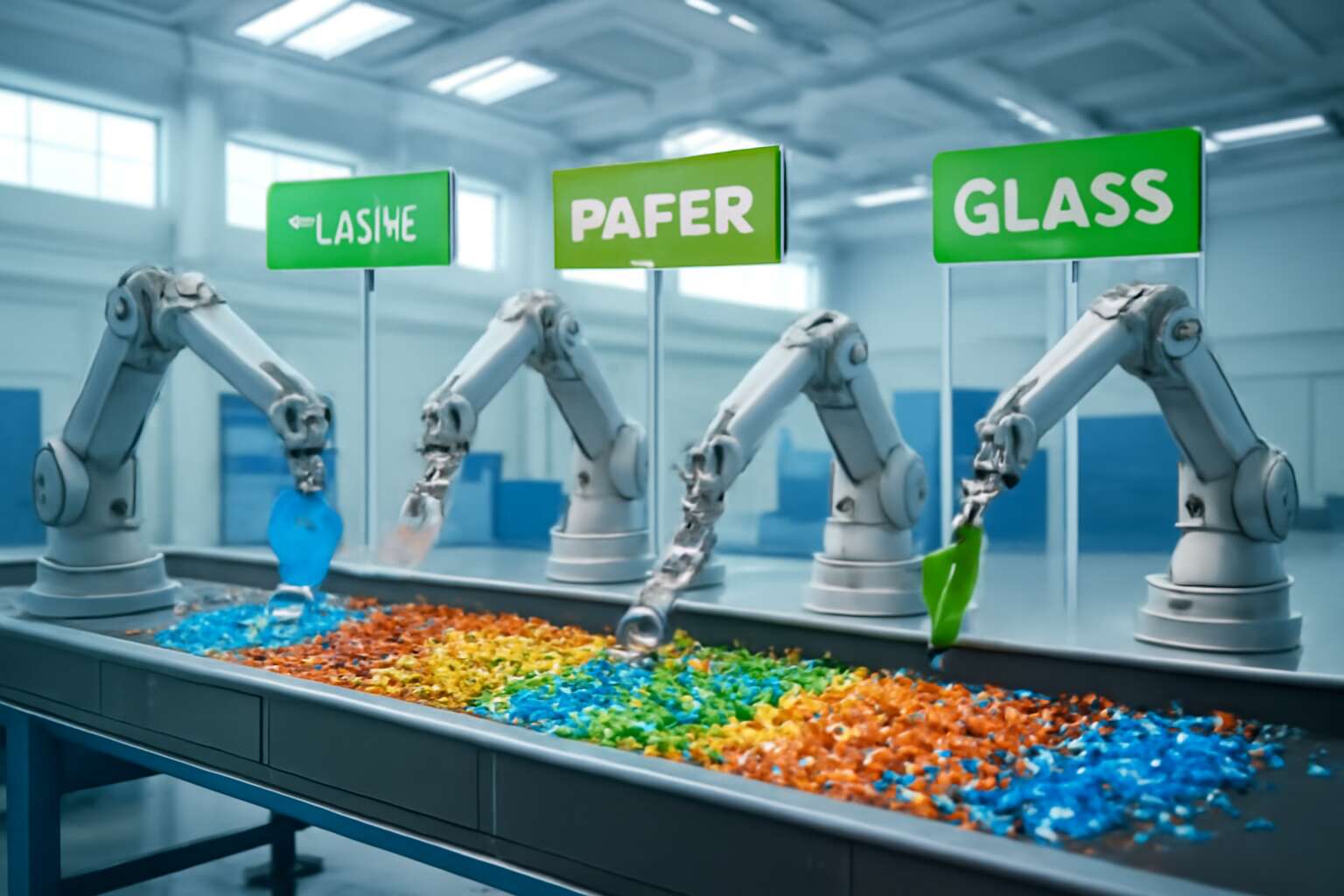
Sorting is the quiet engine that unlocks value from what would otherwise be waste. Modern facilities blend human insight with smart automation to separate recyclables and organics, minimize contamination, and prepare streams for high-quality recovery. A few keystones include:
- Automated optical sorting
- Magnetic and eddy-current separation
- Robotic picking and quality checks
Treatment technologies then transform separated streams into resources or energy. In southern climates, anaerobic digestion for organics and in-vessel composting can stabilize waste while delivering biogas and soil amendments. Thermal processes, where suitable, recover energy with careful air emissions control.
This cycle unites collection, sorting, and treatment into a resilient system of solid waste management.
Material recovery facilities and sorting technologies
Dawn breaks over South Africa’s streets, and behind the quiet rumble of collection crews lies a promise: up to 70% of what arrives at a modern facility can be recaptured. This is the heartbeat of solid waste management, where steady hands and smart systems translate waste into resources.
Collection, sorting, and treatment weave together to keep cities cleaner and parks greener. Material recovery facilities and sorting technologies transform streams with care—minimizing contamination while preserving value for recyclables, organics, and energy. In southern climates, the cycle shines when tuned to local conditions and needs.
- Sensor-based sorting with AI-driven control to target plastics, metals, and organics
- Robotics-assisted inspection for contamination removal and gentle handling
- Modular, scalable MRF layouts enabling local, on-site recovery
As South Africa grows, so too does the promise of a resilient waste system—where every kilogram finds a second life through responsible collection, sorting, and treatment.
Waste treatment approaches including composting and digestion
The cycle of collection, sorting, and treatment is a quiet alchemy that turns yesterday’s refuse into tomorrow’s resources. In South Africa, community pride follows the truck routes, and every load tells a story of potential—if the process is precise and cared for. This is solid waste management in motion!
Collection systems gather material with lanes for organics and inerts, while targeted treatment nudges the stream toward value. Digesters and composting plants are the warm heart of on-site recovery, transforming food scraps and yard waste into soil amendments and biogas.
A few pathways worth watching include:
- Composting for organics
- Anaerobic digestion for biogas
- Mechanical-biological treatment for mixed waste
- Thermal energy recovery
Each route feeds back into the city’s green future, closing the loop with care!
Waste-to-energy and emissions controls
South African cities generate roughly 1.2 kg of solid waste per person each day—the kind of weight that whispers tomorrow’s choices. In the realm of solid waste management, collection and the patient art of sorting are the quiet scaffolds that hold the system together.
From curb to facility, the cycle unfolds as a disciplined ballet: efficient collection nets a stream, and precise sorting detaches value from noise. The following technologies stand at the frontier of turning waste into resource:
- Waste-to-energy plants that convert non-recyclables into electricity or heat
- Emissions controls such as scrubbers and selective catalytic reduction to keep air clean during energy recovery
I listen as the plant’s heartbeat—turbines murmuring and conveyors singing—transforms yesterday’s refuse into tomorrow’s soil and power, a shadowed promise of a city rebuilt through solid waste management!
Policy, governance, and community programs
Landfill best practices and methane management
‘Waste is a resource in search of a home,’ and in South Africa, diverted tonne lightens the load on cities and communities. Smart policy and partnerships turn that waste into value.
Policy, governance, and community programs shape how waste streams are handled and funded. A clear regulatory framework sets licensing and reporting standards, while governance structures ensure budgets reach frontline services. Leveraging solid waste management strategies that emphasize local participation strengthens outcomes.
- Transparent budgets and independent auditing
- Community waste partnerships and local champions
- Public reporting and citizen feedback loops
Landfill best practices and methane management: in solid waste management contexts, modern landfills employ engineered liners, effective leachate controls, gas collection systems, and energy recovery. Regular methane monitoring, flaring or converting to electricity, and adequate daily cover reduce emissions and odors.
These elements build resilience in urban and rural South Africa, protecting health and the environment while supporting sustainable growth.
Regulatory frameworks and governance
“Waste is a resource in search of a home,” the axiom that guides policy from a dusty mailbox to a bustling council chamber. In South Africa, policy choices shape who funds, how budgets flow, and how communities win, turning solid waste management into a shared mission!
Policy, governance, and community programs operate like a compass: aligning incentives, improving licensing clarity, and ensuring reporting travels from boardroom to the street.
- Transparent budgets with independent auditing that withstand scrutiny
- Local partnerships and waste champions embedded in communities
- Open reporting dashboards and citizen feedback loops
Regulatory frameworks provide licensing and reporting standards; governance structures ensure funds reach frontline services, while community programs foster local participation. When these threads are woven with care, solid waste management becomes a resilient engine for health, environment, and growth across urban and rural South Africa.
Monitoring, reporting, and data transparency
“Waste is a resource in search of a home,” a line that still haunts council corridors, turning policy from a dusty mailbox into a busy street. In South Africa, policy choices decide who funds the curb, how budgets flow, and who speaks for the community in solid waste management. Monitoring, reporting, and data transparency keep the system honest, turning numbers into voices.
To keep the compass true, three pillars anchor monitoring and transparency.
- Transparent budgets with independent auditing that withstand scrutiny
- Local partnerships and waste champions embedded in communities
- Open reporting dashboards and citizen feedback loops
Regulatory frameworks provide licensing and reporting standards; governance structures ensure funds reach frontline services, while community programs foster local participation. When these threads are woven with care, the field of waste management becomes a resilient engine for health, environment, and growth across urban and rural South Africa.
Public awareness and education programs
Waste is a resource in search of a home—and in South Africa, policy choices decide who pays for the curb, who speaks for communities, and how clean streets become a shared outcome. When governance aligns with community programs, solid waste management becomes a rallying point, not a dull duty.
Policy and governance anchor the system, translating ambition into accountability. To fuse broad participation with real impact, consider these elements:
- Legislation that ensures equitable funding for frontline services
- Community liaison roles and local waste champions embedded in neighbourhoods
- Open dashboards and feedback loops that invite citizen input
Public awareness and education programs bring these policies to life. Schools, workplaces, and city events become labs for behavior change—think kid-friendly compost clubs, door-to-door recycling demos, and multilingual campaigns that meet people where they are.

0 Comments